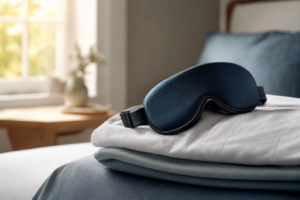
Sharing a bed sounds simple until two real people get involved. One person wants the room cold. One steals the blanket. One falls asleep with a screen glowing like a tiny billboard. One hears every hallway creak. One snores. One wakes up hot. Suddenly the bed is less “peaceful retreat” and more “nightly negotiation with pillows.”
A better couples sleep setup does not require choosing one person’s sleep needs and ignoring the other’s. The goal is to divide the problem into layers: temperature, bedding, sound, light, movement, schedules, and health red flags. Small changes in each layer can make the shared bedroom more comfortable without turning bedtime into an argument.
This guide focuses on practical, low-drama changes for couples where one partner runs hot, one snores, one is a light sleeper, or both people simply need different sleep conditions.
Start with the rule that saves arguments
The best couples sleep setup starts with one rule: solve the sleep problem, not the person.
If your partner snores, overheats, tosses, or needs different bedding, the issue is not that someone is “bad at sleeping.” Sleep needs vary. Bedroom comfort is personal. Snoring can be influenced by sleep position, alcohol timing, nasal congestion, anatomy, weight changes, allergies, or possible sleep apnea. Temperature comfort can differ by body size, hormones, bedding, medications, room airflow, and personal preference.
A practical setup asks:
- What wakes each person up?
- What helps each person fall asleep?
- Which fixes can be split by side of the bed?
- Which problems need a room-level change?
- Which symptoms need medical guidance?
When you frame it this way, the bedroom becomes a shared system you can tune rather than a nightly blame festival.
The couples sleep setup checklist
Before buying anything, walk through the bedroom from biggest friction point to smallest.
1. Temperature
Temperature is often the hardest shared-sleep problem because one thermostat controls two bodies. Many sleep-environment recommendations emphasize a room that is cool, dark, quiet, and comfortable. But “cool” still has to work for the person who gets cold easily and the person who wakes up sweating.
Start with room-level basics:
- Keep the room slightly cooler at night if both partners can tolerate it.
- Use breathable bedding instead of heavy heat-trapping layers.
- Improve airflow with a fan or open interior door if safe and practical.
- Reduce heat from electronics, heavy comforters, and non-breathable mattress protectors.
- Keep extra blankets available for the colder partner instead of warming the whole room.
If only one person sleeps hot, use side-specific fixes first. That usually works better than fighting over the thermostat.
2. Bedding
Shared bedding creates shared problems. One blanket can transfer heat, movement, and tension. If one person sleeps hot and one sleeps cold, separate top layers may be the easiest win.
Try a split-bedding setup:
- One fitted sheet across the bed.
- Separate blankets or duvets for each partner.
- A lighter blanket for the hot sleeper.
- A warmer layer for the cold sleeper.
- Optional throw blanket at the foot of the bed for cold nights.
This is sometimes called the Scandinavian sleep method. The name sounds fancy, but the idea is beautifully boring: two people, two blankets, fewer midnight blanket crimes.
Split bedding may help when:
- One partner steals covers.
- One partner overheats under a shared comforter.
- One person likes heavy bedding and the other hates it.
- Movement from blanket tugging wakes either person.
3. Mattress and motion
If one partner is a light sleeper, motion transfer matters. A mattress that bounces every time someone rolls over can make normal movement feel disruptive.
Options to consider:
- A mattress with better motion isolation.
- A split king or two twin XL mattresses under separate bedding.
- A mattress topper on one side if firmness needs differ.
- A bed frame that does not squeak or shift.
- Separate blankets to reduce tugging and movement.
If a new mattress is not on the table, start with the cheaper fixes: tighten the bed frame, add a quiet mattress protector, use separate blankets, and reduce bedside clutter that rattles when someone moves.
If one partner sleeps hot
A hot sleeper usually needs more than “just use a fan.” Heat can come from the room, the mattress, the pillow, bedding, sleepwear, alcohol timing, evening workouts, humidity, or certain health factors.
Build a cooler side of the bed
Try these side-specific changes:
- Use a lighter blanket or no top sheet on the hot sleeper’s side.
- Choose breathable sheets such as cotton, linen, or bamboo-style fabrics.
- Avoid thick foam pillows that trap heat around the head.
- Use a lower-profile comforter instead of a heavy duvet insert.
- Keep a small fan aimed across, not directly into, the hot sleeper’s side if comfortable.
- Move phone chargers, laptops, and warm electronics away from the bedside area.
Check the mattress and protector
Some mattresses and waterproof protectors can trap heat. If the hot sleeper started overheating after adding a mattress protector, topper, or new bedding, test one change at a time.
A simple test:
- Keep the room temperature the same for three nights.
- Swap only the top blanket or sheets.
- Notice whether waking hot improves.
- If not, test the pillow, protector, or sleepwear next.
One change at a time keeps you from blaming the wrong thing.
When sweating needs more attention
Occasional warmth from heavy bedding is common. But frequent night sweats, drenching sweat, fever, unexplained weight changes, pain, medication changes, or symptoms that worry you are reasons to talk with a qualified healthcare professional. Bedding fixes can support comfort, but they should not replace medical guidance when symptoms are persistent or concerning.
If one partner snores
Snoring can be annoying, but it can also be a sign that breathing is not smooth during sleep. The right response depends on the pattern.
Low-risk bedroom changes that may help
For occasional snoring without warning signs, these setup changes may help reduce disruption:
- Encourage side sleeping if back sleeping makes snoring worse.
- Raise the head of the bed slightly if comfortable.
- Keep the room less dry if dryness or congestion is an issue.
- Wash bedding regularly to reduce dust and allergen buildup.
- Avoid alcohol close to bedtime, since it may relax airway muscles and worsen snoring for some people.
- Use white noise, brown noise, a fan, or earplugs for the non-snoring partner if comfortable.
These are comfort strategies, not medical treatment. If snoring is loud, frequent, or paired with other symptoms, do not keep trying gadgets forever.
Snoring red flags: when to talk to a clinician
Talk with a qualified healthcare professional if snoring is loud or persistent, or if there are breathing pauses, choking or gasping during sleep, severe daytime sleepiness, morning headaches, high blood pressure concerns, drowsy driving, or a partner notices repeated breathing interruptions.
These signs can be associated with sleep apnea or another sleep-related breathing issue. A clinician can help determine whether evaluation or treatment is appropriate. Do not rely on mouth tape, mouthpieces, apps, pillows, or noise masking as a substitute for medical evaluation when these symptoms are present.
Protect the light sleeper too
The non-snoring partner still needs sleep. While the snoring partner works on the root issue, the light sleeper can use layered noise control:
- Soft foam earplugs or reusable sleep earplugs.
- White noise, brown noise, or a fan.
- A pillow arrangement that creates a small sound barrier.
- Separate blankets to reduce movement wakeups.
- A planned backup sleep space on especially rough nights.
A backup sleep space is not a relationship failure. It is a fatigue-management tool. Romantic? Maybe not. Effective? Sometimes, yes.
If one partner is a light sleeper
Light sleepers often need consistency. The goal is to reduce sudden changes: unexpected light, sharp noises, mattress movement, and schedule disruptions.
Create a lower-stimulation sleep zone
Helpful changes include:
- Blackout curtains or a sleep mask for light leaks.
- Warm, dim bedside lighting instead of bright overhead lights.
- A charging station outside the bed area.
- White or brown noise to cover small household sounds.
- A quiet door routine if one partner comes to bed later.
- Soft-close habits: no drawer slamming, no phone flashlight sweeps, no late-night laundry excavation.
Make late bedtimes less disruptive
If one partner goes to bed later, agree on a low-disruption routine:
- Set out pajamas before the other person sleeps.
- Use a dim red or amber night light if needed.
- Keep phone brightness low and pointed away from the bed.
- Avoid starting conversations after one person is trying to sleep.
- Use separate blankets so getting into bed does not yank the sleeper awake.
The later sleeper does not need to be silent like a museum guard, but predictable and dim beats chaotic and bright.
If schedules do not match
Different work schedules, chronotypes, child-care duties, or early workouts can make shared sleep harder. The fix is often routine design, not willpower.
Try:
- Agreeing on a shared wind-down window when possible.
- Setting a “quiet mode” time for lights, screens, and chores.
- Using silent alarms, vibration alarms, or smartwatch alarms if they do not disrupt the other partner.
- Keeping morning clothes and gear outside the bedroom.
- Moving coffee grinding, bag packing, and bright bathroom lights away from the sleeping partner.
If shift work is involved, protect the shift worker’s sleep window with blackout curtains, noise control, and a household quiet plan. Shift-work sleep can be fragile, and treating daytime sleep as optional is a fast way to make everyone miserable.
Should couples sleep separately?
Some couples sleep better in separate beds or separate rooms all or part of the week. That can be a practical choice, especially when schedules, snoring, pain, caregiving, or insomnia make shared sleep consistently disruptive.
A “sleep divorce” sounds dramatic, but it does not have to mean emotional distance. Some couples keep the same bedtime routine, spend time together before sleep, then separate when it is time to actually rest. Others use separate rooms only on work nights, during illness, during intense snoring periods, or before important early mornings.
Consider a separate-sleep arrangement if:
- One partner’s sleep is consistently disrupted despite reasonable fixes.
- Snoring evaluation or treatment is in progress but not resolved.
- Different schedules repeatedly wake one person.
- Pain, movement, or medical equipment makes shared sleep difficult.
- Resentment is building because both people are exhausted.
Good sleep supports the relationship. For some couples, protecting sleep separately is kinder than sharing a bed badly.
A practical 7-night couples sleep reset
Use one week to test changes without buying half the internet.
Night 1: Identify the top two disruptions
Each partner writes down the two biggest sleep disruptors: heat, snoring, light, movement, schedule, pets, screens, bathroom trips, or noise. Compare notes without debating whether the other person is “too sensitive.”
Night 2: Fix light
Dim the bedroom, cover LEDs, reduce phone light, and use blackout curtains or a sleep mask if needed.
Night 3: Fix sound
Try a fan, white noise, brown noise, earplugs, or a consistent sound machine. Keep the volume comfortable and steady.
Night 4: Split the bedding
Use separate blankets or duvets. Match each side to the sleeper: lighter for the hot sleeper, warmer for the cold sleeper.
Night 5: Reduce movement
Tighten the bed frame, remove rattling items, use separate blankets, and test whether one partner needs a different pillow height or topper.
Night 6: Adjust the late-night routine
If bedtimes differ, set up clothing, chargers, lights, and bathroom routines before the first person goes to sleep.
Night 7: Review what helped
Keep the changes that clearly helped. Drop the ones that added friction. If snoring, breathing pauses, persistent insomnia, severe daytime sleepiness, pain, or concerning symptoms remain, make clinician guidance the next step rather than adding more sleep gadgets.
What not to do
Avoid these common couples sleep mistakes:
- Treating snoring as only an annoyance when warning signs are present.
- Buying multiple products before identifying the real disruption.
- Forcing one blanket setup when partners need different warmth.
- Using bright screens in bed next to a light-sensitive sleeper.
- Turning every wakeup into a relationship debate at 2 a.m.
- Ignoring persistent insomnia, drowsy driving, breathing pauses, or pain.
- Expecting one product to fix room temperature, stress, snoring, and schedule mismatch at once.
Sleep setups work best when they are boring, repeatable, and easy to maintain.
Bottom line
A better couples sleep setup usually comes from layering small fixes: cooler room habits, split bedding, less light, steadier sound, lower motion transfer, and a more considerate bedtime routine. If one partner sleeps hot, build a cooler side of the bed. If one partner snores, separate comfort fixes from medical red flags. If one partner is a light sleeper, reduce sudden light, sound, and movement.
The goal is not a perfect bedroom. The goal is fewer preventable wakeups and less resentment. Start with the biggest disruption, test one change at a time, and get medical guidance when symptoms suggest the problem is more than a normal comfort mismatch.
Sources
- Sleep Foundation: bedroom environment guidance covering temperature, noise, light, and comfort.
- CDC/NIOSH: sleep environment recommendations emphasizing a dark, quiet, cool, comfortable room.
- Mayo Clinic: sleep apnea symptoms and guidance to talk with a doctor when loud snoring, breathing pauses, or severe daytime sleepiness are present.
- Peer-reviewed sleep-environment research discussing bedroom temperature, humidity, air quality, darkness, and noise as sleep hygiene factors.
Related reading
- Best Sleep Products for Hot Sleepers: What Actually Helps
- Why You Wake Up Sweating at Night: Bedroom Fixes First
- How To Know If Snoring Might Be More Than Annoying
- Mouth Tape vs Nasal Strips: What Helps Snoring More?
- White Noise vs Brown Noise vs Pink Noise for Sleep
- Best Earplugs for Side Sleepers: How to Choose Comfortable Noise Blocking for Sleep
- Best Sleep Mask for Side Sleepers: Features That Matter
- Side Sleeper Pillow Height Guide
- Shift Worker Sleep Schedule Template: A Practical Plan for Nights, Rotations, and Recovery Days
Disclosure and health note
Fast Sleep Fix may earn a commission if affiliate links are added to this article in the future. This version was prepared without active affiliate links.
This article is for informational purposes only and is not medical advice. If you have persistent insomnia, suspected sleep apnea, breathing pauses during sleep, severe daytime sleepiness, drowsy driving, morning headaches, frequent night sweats, significant pain, medication or supplement questions, or other concerning symptoms, talk with a qualified healthcare professional.