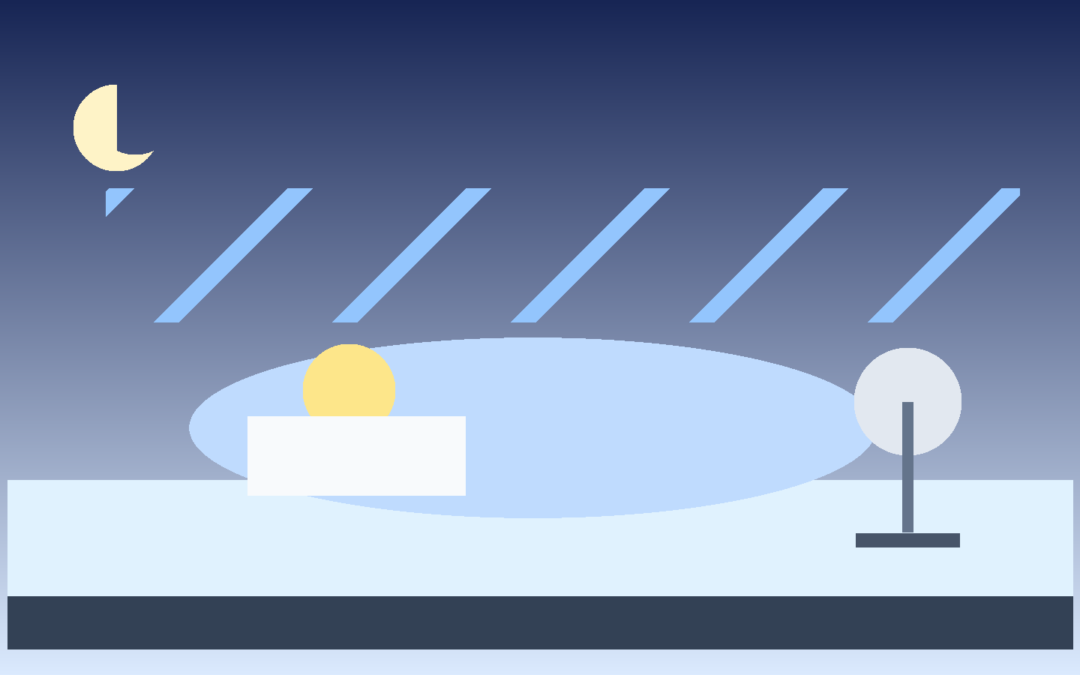
Waking up sweaty is frustrating because it ruins sleep twice: first when you overheat, then again when you have to decide whether to change clothes, flip the pillow, adjust the thermostat, or lie there annoyed until morning.
Sometimes the explanation is simple. The room is too warm, the bedding traps heat, alcohol or a late meal raises body temperature, or your sleepwear is working against you. Other times, repeated night sweats can be connected to hormones, medications, infection, reflux, anxiety, sleep apnea symptoms, or another health issue that deserves medical guidance.
This guide starts with the lowest-risk fixes first: the bedroom and evening routine. If sweating is drenching, persistent, unexplained, or paired with symptoms such as fever, weight loss, chest pain, breathing pauses, severe daytime sleepiness, or medication changes, talk with a qualified healthcare professional.
Is waking up sweaty the same as night sweats?
People use “night sweats” to describe everything from feeling a little clammy to soaking through pajamas and sheets. That distinction matters.
Occasional overheating usually has an obvious trigger: a hot room, heavy comforter, warm pajamas, alcohol, illness, or a thermostat that quietly betrayed you at 2 a.m. True night sweats are often more intense, recurring, and not fully explained by the room temperature.
A practical way to sort it out:
- Mild sweating: You wake warm or damp, but changing the sleep setup helps.
- Moderate sweating: You regularly wake sweaty enough to disrupt sleep, even after basic cooling changes.
- Drenching sweats: You soak clothing or bedding and cannot explain it by heat, bedding, or routine.
Bedroom fixes are a smart first step for mild or clearly heat-related sweating. Moderate or drenching sweats, especially when new or recurring, should not be ignored.
Why sweating can wake you during sleep
Your body temperature naturally changes across the night. Many people sleep better when core body temperature can drop slightly and the bedroom environment supports that process. If your setup holds too much heat, your body may respond with sweating, restlessness, and repeated wakeups.
Common non-medical triggers include:
- A bedroom that stays too warm after bedtime
- Memory foam or mattress materials that trap heat
- Heavy blankets, duvets, or mattress protectors
- Synthetic sleepwear that does not breathe well
- Alcohol close to bedtime
- Late heavy meals or spicy foods
- Hard evening workouts too close to bed
- Pets or a partner adding heat to the bed
- Humidity and poor airflow
The fix is not always “make everything colder.” The goal is temperature stability: cool enough to sleep comfortably, breathable enough to release heat, and flexible enough that you are not freezing at bedtime and sweating by 3 a.m.
Start with bedroom temperature
A cooler bedroom often supports better sleep, and many sleep resources point to the mid-60s Fahrenheit as a useful starting range. Sleep Foundation, for example, describes about 65–68°F as a commonly recommended sleep temperature range, though personal comfort varies.
Use that as a starting point, not a law. Some people sleep best closer to 60°F, while others need the room warmer because of age, circulation, climate, bedding, or a sleep partner.
Try this three-night test:
- Set the room 2–3 degrees cooler than usual.
- Keep bedding and pajamas the same so you are testing one variable.
- Note whether you wake less sweaty, more comfortable, or too cold.
- Adjust gradually instead of making the bedroom feel like a walk-in refrigerator.
If the room cools well at bedtime but warms overnight, check the thermostat schedule, HVAC settings, closed vents, sun exposure, and whether the bedroom has poor airflow compared with the rest of the home.
Improve airflow before buying anything
Airflow is the unglamorous fix that often helps hot sleepers quickly. A room can be technically cool but still feel stuffy if air is stagnant or humidity is high.
Simple airflow fixes:
- Use a fan to move air across the room, not necessarily directly at your face.
- Keep the bedroom door slightly open if it helps air circulate.
- Check that vents are not blocked by furniture, curtains, or storage.
- Use lighter window coverings if the room holds heat from the day.
- Consider a dehumidifier if the room feels damp or sticky.
Humidity matters because sweat does not evaporate as well when the air is damp. If you wake clammy even when the room is not hot, moisture may be part of the problem.
Rethink bedding layers
Bedding can trap heat even in a cool room. The usual suspects are heavy comforters, non-breathable mattress protectors, thick foam toppers, and sheets that feel soft but hold warmth.
A better hot-sleeper setup usually has layers you can adjust:
- A breathable fitted sheet
- A lighter blanket instead of one heavy comforter
- A cooling or moisture-wicking pillowcase if your head and neck overheat
- A mattress protector that is waterproof if needed but not overly plasticky
- A backup light blanket for early-morning chill
The mistake is trying to solve overheating with one extreme change. If you remove every layer, you may fall asleep cold, pull the comforter back up, and wake sweaty again. Layering lets you fine-tune.
Check the mattress and pillow heat trap
If your back, hips, head, or neck feel hot even when the room is cool, the heat source may be contact surfaces. Some foam mattresses and pillows contour closely, which can feel comfortable but reduce airflow around the body.
Clues that the mattress or pillow is part of the issue:
- You wake sweaty mainly where your body contacts the bed.
- Your pillow feels warm and damp by morning.
- You sleep better on hotel beds, guest beds, or firmer surfaces.
- You feel trapped in one warm spot and keep flipping positions.
Before replacing a mattress, test smaller changes first: breathable sheets, a different pillowcase, a lighter protector, or a cooling mattress pad. Product claims vary, and “cooling” does not mean the same thing across brands.
Choose sleepwear that releases heat
Pajamas matter more than people think. Heavy cotton can hold moisture once damp. Some synthetic fabrics trap heat. Sleeping in very little clothing can help some people, but others sweat more because skin sticks to sheets and moisture has nowhere to go.
Look for sleepwear that is:
- Lightweight
- Loose enough for airflow
- Comfortable against the skin
- Breathable or moisture-wicking
- Easy to wash if sweating happens often
If you wake sweaty in the same pajamas every time, test a different fabric for a week. Keep the room and bedding stable so you know whether the change helped.
Watch alcohol, late meals, and spicy food
Evening habits can raise the odds of waking hot. Alcohol may make you sleepy at first, but it can fragment sleep and is a common trigger for warm, restless wakeups. Late heavy meals and spicy foods may also contribute to discomfort, reflux, or feeling overheated.
Try a simple experiment:
- Avoid alcohol within a few hours of bedtime for one week.
- Move heavy meals earlier when possible.
- Keep spicy foods away from late dinner if sweating or reflux is common.
- Track whether sweaty wakeups change.
This is not about perfection. It is about identifying whether a pattern exists. If sweating happens mainly after drinks, late meals, or spicy food, the bedroom may not be the whole problem.
Time workouts with sleep in mind
Exercise supports sleep for many people, but hard workouts close to bedtime can leave some sleepers too warm or activated. The issue is not that evening exercise is automatically bad. The issue is intensity and timing.
If you regularly wake sweaty after late workouts, test one of these changes:
- Move intense sessions earlier when possible.
- Keep late workouts lighter.
- Add a longer cool-down.
- Take a lukewarm shower before bed.
- Give your body more time to return to a comfortable temperature.
A hot shower right before bed may feel relaxing but can leave some people warm under the covers. A warm shower earlier in the wind-down window, followed by a cooler room, may work better.
Consider hormones, medications, and health factors
If bedroom fixes do not help, or if sweating is drenching or unexplained, consider whether a health factor may be involved. Reputable medical sources such as Cleveland Clinic and Mayo Clinic note that night sweats can be associated with menopause and hormonal changes, infections, medication side effects, and other medical conditions.
Possible non-bedroom contributors include:
- Menopause or perimenopause hot flashes
- Fever or infection
- Certain antidepressants or other medications
- Hormone therapy changes
- Reflux or digestive issues
- Anxiety or high stress
- Thyroid or metabolic concerns
- Sleep-disordered breathing symptoms
Do not stop or change medication on your own because of sweating. If symptoms started after a new medication or dosage change, ask your prescriber or pharmacist what is safe.
When sweating might be connected to sleep apnea symptoms
Sweating alone does not mean sleep apnea. But sweating plus breathing-related symptoms is worth taking seriously.
Talk with a clinician if sweaty wakeups come with:
- Loud, frequent snoring
- Witnessed breathing pauses
- Waking up gasping or choking
- Morning headaches
- Dry mouth on waking
- Severe daytime sleepiness
- Drowsy driving
- High blood pressure or other risk factors
Bedroom cooling can make you more comfortable, but it does not evaluate breathing pauses or oxygen changes during sleep. If those symptoms are present, medical evaluation is the safer route.
A seven-night bedroom reset for sweaty wakeups
Use this as a low-risk starting plan. Change one or two variables at a time so you can tell what actually helps.
Nights 1–2: cool the room slightly
Lower the thermostat by 2–3 degrees, improve airflow, and keep bedding the same. Track whether sweating improves.
Nights 3–4: lighten the bedding
Swap one heavy layer for a lighter blanket or breathable layer. Keep the room temperature consistent.
Night 5: test sleepwear
Try lighter, looser, or moisture-wicking pajamas. If you usually sleep in heavy clothes, this may be an easy win.
Night 6: adjust evening triggers
Avoid late alcohol, heavy meals, and spicy foods. If you exercise late, keep it gentler or extend the cool-down.
Night 7: review the pattern
Ask what changed: sweating frequency, how drenched you felt, number of wakeups, room comfort, and morning energy. Keep the changes that helped and drop the ones that made no difference.
When to talk with a clinician
Do not rely on bedroom changes alone if sweating is persistent, severe, or unexplained. Talk with a qualified healthcare professional if you have:
- Drenching night sweats that soak clothing or bedding
- Sweats that keep recurring without an obvious heat trigger
- Fever, chills, unexplained weight loss, or feeling unwell
- Chest pain, shortness of breath, or fainting
- Loud snoring, gasping, choking, or breathing pauses during sleep
- Severe daytime sleepiness or drowsy driving
- New sweating after starting or changing medication
- Pregnancy, menopause symptoms that disrupt life, or hormone questions
- Pain, anxiety, or other symptoms that are interfering with sleep
The goal is not to panic over one sweaty night. It is to avoid missing a pattern that needs more than a cooler pillowcase.
Bottom line: fix the sleep environment first, but know the red flags
If you wake up sweating at night, start with the controllable basics: cooler room, better airflow, breathable layers, lighter sleepwear, and fewer late-night heat triggers. Those changes are low-risk and often enough when overheating is the main issue.
But repeated, drenching, or unexplained night sweats deserve medical guidance, especially when they come with fever, weight loss, breathing symptoms, severe daytime sleepiness, chest pain, medication changes, or other concerning signs. Bedroom fixes can improve comfort. They should not replace care when symptoms point beyond the bedroom.
Sources
- Sleep Foundation: Best Temperature for Sleep — https://www.sleepfoundation.org/bedroom-environment/best-temperature-for-sleep
- Cleveland Clinic: Night Sweats — https://my.clevelandclinic.org/health/symptoms/16562-night-sweats
- Mayo Clinic: Night Sweats Causes — https://www.mayoclinic.org/symptoms/night-sweats/basics/causes/sym-20050768
Disclosure and health note
Fast Sleep Fix may earn a commission if affiliate links are added to this article in the future. This version was published without active affiliate links.
This article is for informational purposes only and is not medical advice. If you have persistent insomnia, suspected sleep apnea, breathing pauses during sleep, severe daytime sleepiness, drowsy driving, chest pain, shortness of breath, fever, unexplained weight loss, drenching night sweats, pain, medication or supplement questions, pregnancy or hormone-related questions, or other concerning symptoms, talk with a qualified healthcare professional.