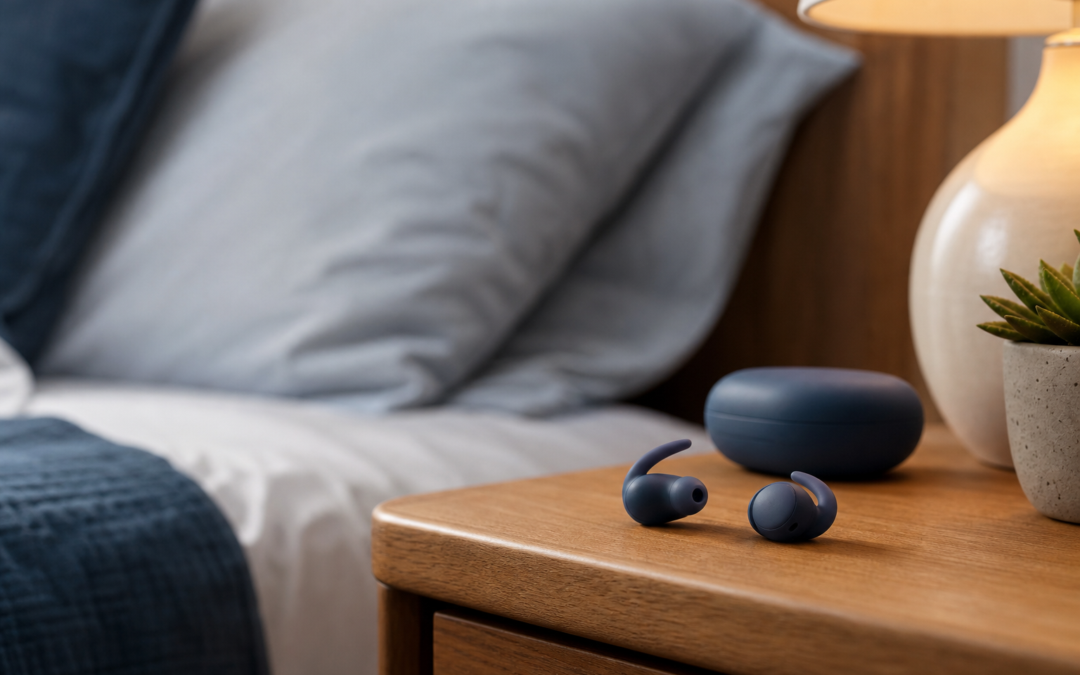
Best Earplugs for Side Sleepers: How to Choose Comfortable Noise Blocking for Sleep
Quick answer
The best earplugs for side sleepers are usually low-profile, soft, and easy to fit consistently. For most people, that means one of three styles:
- Soft foam earplugs for maximum noise reduction at low cost.
- Moldable silicone putty earplugs for shallow comfort when pressure inside the ear canal feels annoying.
- Low-profile reusable silicone earplugs for a balance of comfort, durability, and easier middle-of-the-night handling.
The winner is not simply the highest Noise Reduction Rating. Side sleepers need earplugs that stay comfortable when a pillow presses against the ear. A giant plug that blocks everything but makes your ear feel like it lost a boxing match is not a sleep solution. It is a tiny pit-lane penalty.
Why side sleepers need different earplugs
Back sleepers can get away with bulkier earplugs because the ear is not pressed directly into the pillow. Side sleepers do not have that luxury. Any hard stem, tall flange, or oversized outer piece can create pressure against the ear and wake you up.
Good sleep earplugs for side sleepers should solve four problems:
- Noise: reduce partner snoring, traffic, neighbors, pets, or household sounds.
- Pressure: avoid painful compression against the pillow.
- Fit: seal well enough without constant readjustment.
- Safety and hygiene: be easy to use cleanly and replace when needed.
Earplugs may support sleep when noise is the main issue, but results vary. If you are waking for reasons unrelated to sound — stress, reflux, pain, alcohol timing, hot flashes, medication effects, breathing issues, or insomnia patterns — earplugs may only solve one piece of the puzzle.
What to look for in earplugs for side sleeping
1. Low-profile shape
For side sleepers, low profile matters more than fancy packaging. Look for earplugs that sit flush with the outer ear or do not protrude far enough to press into the pillow.
Avoid sleep earplugs with:
- Long pull tabs that stick out.
- Hard plastic stems.
- Bulky filters that press against the pillow.
- Rigid multi-flange designs that feel fine upright but annoying on your side.
Reusable filtered earplugs can be great for daytime noise, concerts, or travel, but some are too firm for side sleeping. If the product looks like it belongs in a garage more than a bedroom, proceed carefully.
2. Soft material
Side sleepers usually do best with soft foam, moldable silicone, or very flexible reusable silicone.
Foam earplugs compress small, expand in the ear canal, and often block a lot of sound. They can be excellent for loud environments, but some people dislike the pressure as the foam expands.
Moldable silicone putty sits at the ear opening rather than deep in the canal. This may feel more comfortable for some side sleepers because there is less internal pressure. The tradeoff is that fit can be messy, hair can stick to it, and it may not block as much low-frequency sound for everyone.
Reusable silicone earplugs can work well if they are soft and low-profile. They may be easier to insert in the dark and less wasteful than disposable foam. The tradeoff is that they need cleaning and may not fit every ear shape.
3. Enough noise reduction — not maximum at all costs
Hearing protectors often list a Noise Reduction Rating (NRR). The National Institute on Deafness and Other Communication Disorders notes that, in general, a higher NRR blocks more sound if the device is worn correctly. But fit matters heavily.
For sleep, the goal is not always to block every sound on Earth. You may still want to hear alarms, children, pets, safety alerts, or a partner who needs help. Overblocking can also feel isolating or uncomfortable for some people.
A practical approach:
- Mild household noise: low-to-medium reduction may be enough.
- Partner snoring or urban noise: higher reduction may help, if comfortable.
- Very loud environments: consider environmental fixes too, not just earplugs.
CDC/NIOSH emphasizes that hearing protection works best when chosen correctly, fit well, and used consistently. Translation: the earplug you can wear comfortably all night beats the monster-rated plug you rip out at 1:17 a.m.
4. Correct fit
A poorly inserted foam earplug can block much less sound than expected. Foam plugs generally need to be rolled down, inserted, and held while they expand. Reusable plugs need to seal without pain. Moldable silicone should cover the ear opening without being pushed deep into the canal.
A simple fit check from CDC/NIOSH: count out loud while slowly cupping and uncupping your hands over your ears. If the fit is good, your voice should sound about the same as you cup and uncup. It is not a lab test, but it beats guessing like a midfield strategy call.
5. Hygiene and replacement schedule
Earplugs sit near or in your ear canal for hours. That means hygiene is not optional.
General rules:
- Wash hands before inserting earplugs.
- Replace disposable foam plugs often.
- Clean reusable plugs according to the manufacturer instructions.
- Let reusable plugs dry fully before storage.
- Do not share earplugs.
- Stop using them if they cause pain, irritation, drainage, dizziness, or hearing changes.
Cleveland Clinic notes that frequent use of earplugs, earbuds, or hearing aids can be associated with earwax buildup in some people. Earwax is normal and protective, but too much can cause symptoms such as fullness, pain, hearing changes, tinnitus, itching, dizziness, or discharge. If those show up, get medical guidance rather than attacking your ear canal with cotton swabs like it owes you money.
Foam vs silicone vs reusable: which is best?
| Type | Best for | Side-sleeper comfort | Noise blocking | Watch-outs |
|---|---|---|---|---|
| Foam earplugs | Maximum low-cost noise reduction | Medium to high, if soft and low-profile | Often high | Expansion pressure; single-use waste; fit matters |
| Moldable silicone putty | Shallow fit and less canal pressure | Often high | Medium to high, varies by seal | Can collect hair/lint; do not push deep into canal |
| Reusable silicone plugs | Routine nightly use and durability | Medium to high if low-profile | Medium to high | Must clean; firm designs may hurt side sleepers |
| Filtered musician-style plugs | Reducing volume while preserving clarity | Varies | Usually moderate | Outer filters/stems may press into pillow |
| Sleep earbuds/noise-masking buds | Noise masking plus audio | Varies widely | Masking, not always hearing protection | Battery, bulk, comfort, not the same as NRR-rated protection |
Best feature checklist for side sleepers
Before buying, check for:
- Low-profile design that will not poke the pillow.
- Soft material with no hard stem against the ear.
- Multiple sizes if reusable.
- Clear NRR or noise-reduction information where relevant.
- Easy cleaning instructions for reusable options.
- Trial-friendly price because ear shape is personal.
- Enough awareness to hear alarms or important sounds if needed.
If a product claims it blocks “all noise,” be skeptical. Real-world performance depends on fit, noise type, and your ear anatomy. Also, completely blocking all sound is not always desirable during sleep.
When earplugs may help sleep
Earplugs may help if your main sleep disruptor is environmental noise, such as:
- A snoring partner.
- Street traffic.
- Apartment neighbors.
- Early-morning household activity.
- Hotel hallways.
- Pets moving around the room at 3 a.m.
Research in hospital settings suggests that reducing noise and light with earplugs and eye masks can improve perceived sleep quality for some patients. That does not automatically prove every home sleeper will sleep better with earplugs, but it supports the common-sense idea that reducing disruptive noise may help some people rest.
When earplugs are not enough
Earplugs can reduce noise, but they do not treat medical sleep disorders, chronic insomnia, or breathing-related sleep problems.
Talk with a healthcare professional if you have:
- Persistent insomnia that lasts for weeks or affects daytime function.
- Loud, frequent snoring.
- Witnessed breathing pauses, choking, or gasping during sleep.
- Severe daytime sleepiness.
- Morning headaches with snoring or breathing concerns.
- Ear pain, drainage, dizziness, ringing, or hearing changes.
- Pain that wakes you up.
- Medication or supplement questions.
If the issue is partner snoring, earplugs may protect your sleep in the short term, but loud or frequent snoring deserves attention. Snoring can be harmless, but it can also be a clue that something else is going on. Do not turn the volume down on a warning light and call it fixed.
How to make earplugs more comfortable on your side
Try these setup tweaks before declaring earplugs useless:
Use a softer pillow surface
A firm pillow can press the earplug into the ear. A pillow with a softer top layer may reduce pressure. Some side sleepers also like pillows with ear cutouts, though that is a personal comfort call.
Try one earplug first
If only one ear faces the noise source, one earplug may be enough. This can reduce the “sealed off from the world” feeling and may help you still hear important sounds.
Rotate styles, not just brands
If foam hurts, try moldable silicone. If silicone feels insecure, try softer foam. If both fail, try a low-profile reusable style in multiple sizes. Earplug comfort is brutally individual.
Pair with white noise
Earplugs reduce sound. White noise, brown noise, fans, or sound machines can help mask remaining sound. For some people, a lower level of masking plus comfortable earplugs works better than trying to block everything.
Fix the room when possible
Earplugs are useful, but environmental changes may reduce how much protection you need:
- Close gaps under doors.
- Use heavier curtains.
- Move the bed away from shared/noisy walls.
- Add rugs or soft furnishings.
- Talk with household members about quiet hours.
Very glamorous? No. Effective? Sometimes. Not every fix needs carbon fiber.
Simple buying framework
Use this quick decision tree:
If you need maximum blocking
Start with soft foam earplugs. Choose a smaller or softer version if regular foam feels painful. Make sure you are inserting them correctly before judging performance.
If ear-canal pressure bothers you
Try moldable silicone putty. It may feel less invasive because it seals around the ear opening instead of expanding deep in the canal.
If you want reusable nightly earplugs
Try low-profile reusable silicone earplugs with size options. Prioritize comfort and cleaning ease over extreme noise claims.
If you need to hear alarms or children
Use moderate reduction, one earplug, or pair lighter earplugs with low-volume masking sound. Test your alarm setup before relying on it.
If your partner snores loudly
Earplugs may help you cope, but encourage evaluation if snoring is loud, frequent, or paired with gasping, choking, breathing pauses, morning headaches, or daytime sleepiness.
Sources to verify/cite
- National Institute on Deafness and Other Communication Disorders. “Hearing Protectors.” Last updated April 16, 2025. https://www.nidcd.nih.gov/health/hearing-protectors
- CDC/NIOSH. “Provide Hearing Protection.” Jan. 31, 2024. https://www.cdc.gov/niosh/noise/prevent/ppe.html
- Cleveland Clinic. “Earwax Blockage: Symptoms, Causes & Removal.” Last updated Jan. 13, 2023. https://my.clevelandclinic.org/health/diseases/14428-ear-wax-buildup–blockage
- Avudaiappan SL, Govindaraj S, Poomalai G, Mani S. “Effectiveness of Earplugs and Eye Masks on Sleep Quality and Fatigue Among Nonventilated Patients in an Intensive Care Unit.” Cureus. 2024;16(7):e63628. PMCID: PMC11293039. https://pmc.ncbi.nlm.nih.gov/articles/PMC11293039/
Disclosure
Fast Sleep Fix may earn a commission if affiliate links are added to this article in the future. This version was published without active affiliate links.