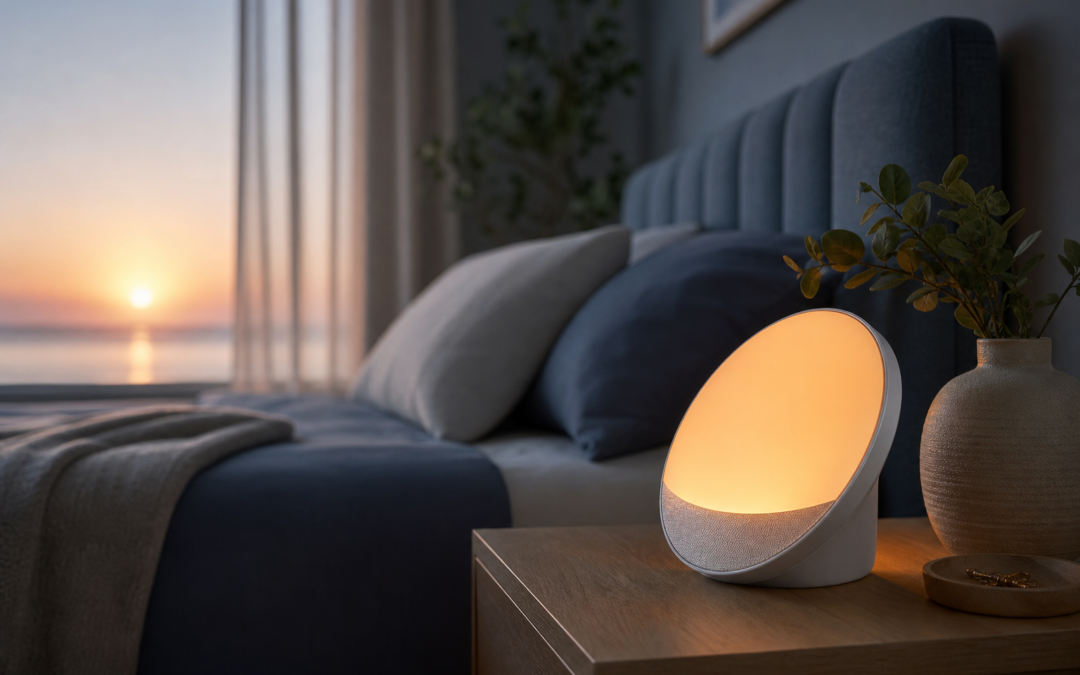
Hatch Restore Alternatives Worth Considering
The Hatch Restore is popular because it combines three useful bedtime tools in one bedside device: a sunrise-style alarm, a dimmable evening light, and sleep sounds. For many people, that all-in-one setup is convenient. But it is not the only way to build a calmer bedtime routine or a gentler morning wakeup.
If you are comparing Hatch Restore alternatives, the best choice depends less on finding a perfect clone and more on deciding which problem you actually want to solve: waking up less abruptly, reducing phone use at night, masking noise, dimming your room in the evening, or building a repeatable wind-down routine.
This guide walks through the main alternative categories, who each one makes sense for, and what to check before you buy. It is informational only and does not include active affiliate links.
Quick answer: the best Hatch Restore alternative depends on your priority
Choose based on the job you need the device to do:
- For gentler mornings: choose a sunrise alarm clock or wake-up light.
- For phone-free bedtime routines: choose a smart alarm clock with physical controls and saved routines.
- For noise masking: choose a dedicated white noise machine or sleep speaker.
- For better evening lighting: choose a dimmable warm bedside lamp or smart bulb setup.
- For the simplest setup: combine a basic sunrise alarm with a separate sound machine.
- For travel: choose a compact sound machine and a comfortable sleep mask instead of a large bedside device.
Hatch Restore may still be the cleaner choice if you want one polished device that handles light, sound, and routines together. Alternatives are usually better when you want lower cost, fewer app features, easier physical controls, or a more modular setup.
What Hatch Restore is trying to replace
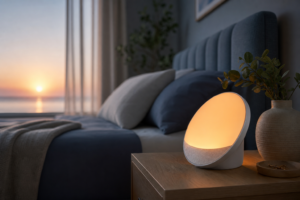
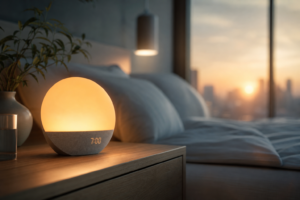
Before choosing an alternative, it helps to understand the product category. Hatch positions Restore as a smart sleep clock that supports phone-free sleep and wake routines. Current Restore models combine a bedside clock, sunrise alarm, sleep sounds, dimmable lighting, and app-guided routine options.
That bundle is useful because sleep routines often fall apart in small, boring ways: the phone becomes the alarm, the alarm becomes a scrolling trigger, the room stays too bright at night, and the morning alarm feels like a small emergency. A bedside routine device tries to make those steps calmer and more repeatable.
The tradeoff is that all-in-one devices can cost more than simpler tools, and some features may depend on an app, subscription, or connected ecosystem. If you only need one or two functions, a narrower alternative may be enough.
Alternative 1: a dedicated sunrise alarm clock
A dedicated sunrise alarm clock is the closest Hatch Restore alternative for people who mainly want a gentler wakeup. These devices gradually brighten before the alarm time to mimic dawn. Many also include basic nature sounds, radio, or a dim nighttime display.
Best for
A sunrise alarm is a good fit if you:
- Wake up before natural sunlight is available.
- Dislike harsh phone alarms.
- Want a less abrupt morning routine.
- Do not need a full bedtime content library.
- Prefer simple buttons over app-heavy controls.
What to check
Look for adjustable brightness, sunrise duration, backup alarm sound, display dimming, and easy controls. If you share a room, also check whether the light can be aimed or dimmed enough that it will not annoy your partner.
Main downside
A basic sunrise alarm may not solve nighttime noise or bedtime scrolling by itself. If the real problem is that your phone stays on the nightstand, a sunrise light only helps if you also move the phone away from the bed.
Alternative 2: a smart light bulb or bedside lamp routine
A smart bulb can create a sunrise-style wakeup and an evening dimming routine without buying a dedicated sleep clock. Many smart lighting systems let you schedule gradual brightness changes, warmer color temperature in the evening, and brighter light in the morning.
Best for
A smart light setup may work well if you:
- Already use smart home devices.
- Want room-wide light instead of a small bedside glow.
- Prefer customizing color temperature and schedules.
- Need a lower-cost way to test light-based routines.
What to check
Choose bulbs or lamps that can shift warm in the evening and brighten gradually in the morning. Make sure the app allows reliable schedules, not just manual control. Also consider whether the light will reach your eyes from your usual sleeping position.
Main downside
Smart lighting can become fiddly. If it depends on a phone app, voice assistant, Wi-Fi, or multiple automation steps, it may be less calming than a simple bedside device. The goal is a routine you will actually use, not a home automation science project.
Alternative 3: a dedicated white noise machine
If you were interested in Hatch Restore mainly for sleep sounds, a dedicated white noise machine may be the better buy. These devices focus on steady background sound, fan sounds, nature sounds, or pink/brown noise variations.
Best for
A sound machine is a good fit if you:
- Wake because of hallway, street, partner, pet, or neighbor noise.
- Already have a good alarm setup.
- Want physical buttons and no screen.
- Need something simple for travel or a guest room.
What to check
Look for non-looping or smooth-looping audio, volume range, timer options, nightstand-friendly controls, and whether the sound profile is pleasant at low volume. If you sleep with a partner, test volume carefully. More volume is not always better.
Main downside
Noise masking can help make disruptive sounds less noticeable, but it will not fix every reason for nighttime waking. If snoring, breathing pauses, pain, anxiety, reflux, medication effects, or severe daytime sleepiness are involved, it is worth discussing symptoms with a qualified clinician.
Alternative 4: a smart alarm clock with physical controls
Some people want a better alarm clock, not a full sleep wellness device. A smart alarm clock with a dim display, reliable alarms, physical buttons, and optional sounds can be enough to move the phone out of the bedroom.
Best for
This category makes sense if you:
- Want to stop using your phone as your alarm.
- Need multiple alarms for different days.
- Prefer tactile controls at night.
- Want a bedside clock that does not dominate the room.
What to check
Prioritize display dimming, alarm reliability, backup battery, snooze controls, and how easy it is to change alarms without opening your phone. If the device has a bright display that cannot be fully dimmed, it may work against your sleep environment.
Main downside
A basic smart clock usually will not provide the same light-based wakeup experience as a sunrise alarm. It is best for phone separation and alarm reliability, not circadian lighting support.
Alternative 5: a sleep mask plus compact sound machine for travel
If you travel often, a Hatch-style bedside device may be too bulky. A comfortable sleep mask and compact sound machine can solve the two biggest travel sleep problems: light control and unfamiliar noise.
Best for
A travel setup is useful if you:
- Sleep in hotels, rentals, or shared spaces.
- Need light blocking more than sunrise simulation.
- Want a consistent routine away from home.
- Prefer gear that fits in a small bag.
What to check
For masks, look for comfort in your sleep position, nose fit, strap adjustability, and whether the mask puts pressure on your eyes. For sound machines, check battery life, charging method, volume range, and whether the sound loops are distracting.
Main downside
This setup helps with travel conditions, but it does not recreate a sunrise wakeup unless you add a separate portable light or use natural light from the room.
Alternative 6: a low-tech bedtime routine setup
Not every Hatch Restore alternative needs to be a gadget. A low-tech setup can work if the main goal is consistency: a warm lamp, a paper book, a basic alarm clock, and a phone charging station outside the bedroom.
Best for
A low-tech routine may be the right move if you:
- Feel overstimulated by apps and device settings.
- Want fewer subscriptions and notifications.
- Need a routine that is easy to repeat nightly.
- Are trying to reduce bedtime screen exposure.
What to check
Make the routine visible and simple. For example: dim the room, charge the phone outside arm’s reach, set tomorrow’s alarm, read under warm light, and keep the same approximate bedtime and wake time when possible.
Main downside
Low-tech routines require self-consistency. A device can automate cues; a simple routine depends more on habit. That is not a flaw, but it is worth being honest about which setup you will follow.
How to compare Hatch Restore alternatives
Use these criteria before buying anything.
1. Light quality and brightness control
Light is one of the strongest timing cues for the body’s sleep-wake rhythm. Morning light exposure can support alertness, while bright light late at night can make it harder for some people to wind down. For a bedside device, look for warm evening light, gradual morning brightness, and enough dimming control that the display or lamp does not keep the room too bright.
2. Sound quality and sound options
If you need noise masking, sound quality matters. Harsh loops, hissy speakers, or sudden track changes can be distracting. Choose something that sounds smooth at the low volume you would actually use overnight.
3. Phone-free usability
One of the biggest benefits of a dedicated bedside device is keeping the phone out of the bedtime routine. If an alternative requires you to open an app every night, it may not solve the problem you bought it for.
4. Routine automation
A good sleep routine device should make the next step obvious: dim lights, start sound, reduce stimulation, wake gradually. The more steps you have to remember, the more likely the routine gets skipped.
5. Cost and subscriptions
Compare the device price, any subscription features, return window, warranty, and whether the free features are enough. A cheaper device is not cheaper if it leaves out the one function you actually need.
6. Bedroom fit
Check size, display brightness, button placement, cord length, backup battery, and partner impact. A device can have excellent features and still be wrong for your room.
When Hatch Restore itself may still make sense
Hatch Restore may be worth considering if you want one device that combines a sunrise alarm, sleep sounds, dimmable light, clock, and routine builder in a polished package. It can also be helpful if you are specifically trying to move your bedtime and wakeup routines away from your phone.
The stronger case for alternatives is when you only need one part of the bundle. If you only need light, buy light. If you only need sound, buy sound. If you only need to stop using your phone as an alarm, a simpler clock may do the job.
A simple decision guide
Use this shortcut:
- Buy a sunrise alarm if mornings feel too abrupt.
- Buy a smart bulb or lamp if room lighting is the main issue.
- Buy a white noise machine if outside noise wakes you.
- Buy a physical-control alarm clock if your phone is the problem.
- Build a travel kit if hotels or shared rooms disrupt your sleep.
- Stick with Hatch Restore if you want light, sound, and routines in one clean system.
Related reading
- Sunrise Alarm Clock vs Smart Light Bulb Wakeups: Which Is Better?
- White Noise vs Brown Noise vs Pink Noise for Sleep: Which Sound Is Best?
- Best Bedroom Temperature for Sleep: Cool-Room Setup Guide
- Best Sleep Apps for Anxiety at Night: What To Look For Before You Download
Sources
- Hatch: Restore smart sleep clock product information, accessed May 2026.
- American Academy of Sleep Medicine Sleep Education: Bright Light Therapy.
- National Sleep Foundation: Good Light, Bad Light, and Better Sleep.
- Sleep Foundation: Circadian Rhythm overview.
Disclosure and health note
Fast Sleep Fix may earn a commission if affiliate links are added to this article in the future. This version was published without active affiliate links.
This article is for informational purposes only and is not medical advice. Light-based wakeup devices, sound machines, and bedtime routines may help some people build steadier sleep habits, but results vary. If you have persistent insomnia, suspected sleep apnea, breathing pauses during sleep, severe daytime sleepiness, depression, bipolar disorder, eye conditions, medication questions, drowsy driving, pain, or other concerning symptoms, talk with a qualified healthcare professional.