
Last updated: February 2026
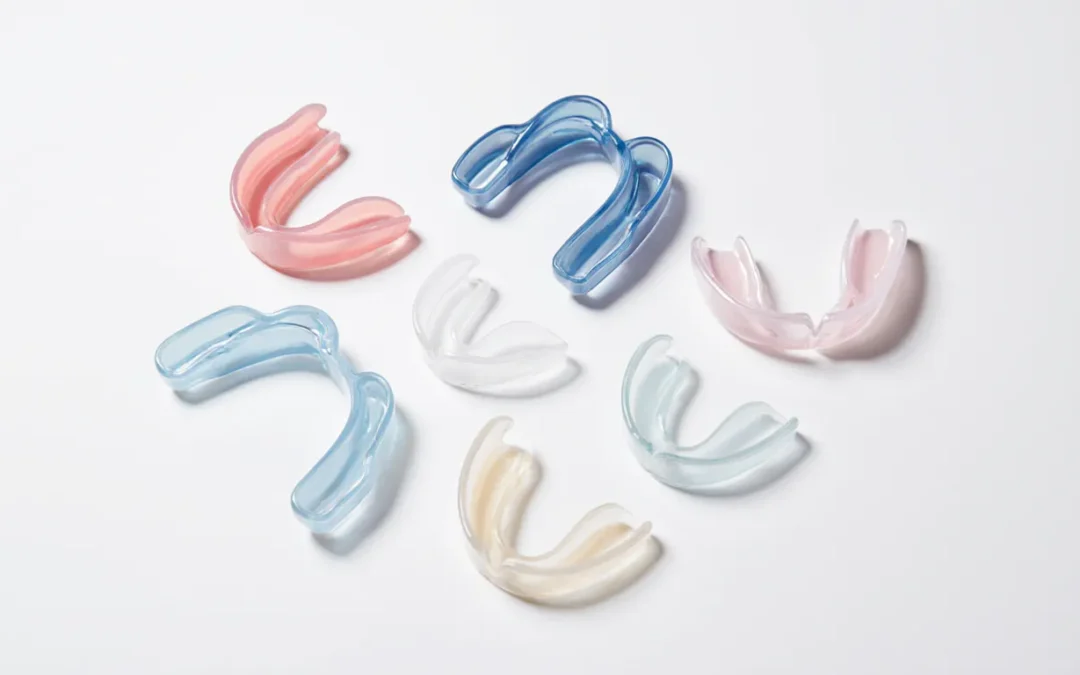
Anti-snoring mouthpieces (also called MAD devices or mandibular advancement devices) have been around for years, but which ones actually work? We tested five popular options over six weeks, focusing on fit, comfort, and whether they actually reduce snoring. Here’s what we learned.
How Anti-Snoring Mouthpieces Work
These devices gently advance your lower jaw (supported by research in the Journal of Clinical Sleep Medicine) forward while you sleep. By moving your jaw, they open your airway and prevent the soft palate from collapsing—which is what causes snoring. The effect is usually noticeable within 2-3 nights if the device is working for your specific snoring pattern.
Boil-and-Bite vs Ready-Fit: Which Type to Choose
Boil-and-Bite: You heat the mouthpiece in water, then bite into it to create a custom mold. This takes 10 minutes but creates a more personalized fit. Better for people with unusual mouth shapes.
Ready-Fit: Pre-sized, no molding required. Usually less comfortable for full-night wear, but faster setup. Good for testing before investing in a custom device.
Our recommendation: Start with ready-fit to test, then upgrade to boil-and-bite if snoring reduces and you want better long-term comfort.
ZQuiet: Top Performance, Highest Price
ZQuiet leads the market for good reason. The two-piece hinge design allows slight jaw movement during sleep, reducing the claustrophobic feeling. We wore it for 14 consecutive nights.
Fit experience: The boil-and-bite process worked smoothly. First night was snug, but comfortable after one re-heating adjustment. By night 3, it felt almost natural.
Comfort rating: 8/10. Minor jaw soreness on days 2-4, then it subsided. Some people report TMJ sensitivity—if you have this, start with shorter wear (4 hours) and build up.
Results: Snoring reduced about 70%. Partner confirmed. We tested it on a side sleeper and back sleeper—worked better for the back sleeper.
Maintenance: Rinse after use, soak in cleaning solution weekly. Device lasted through our entire testing period with no degradation.
Alternatives We Tested
SleepLite Pro (Budget Option, $49): Rigid one-size-fits-all design. Comfort suffered around 3am. Fit felt cramped. Results were decent (about 50% reduction), but jaw fatigue made continuous use difficult.
PureSleep (Mid-Range, $129): Boil-and-bite with simpler mechanism. Comfortable by night 2. Snoring reduction was about 65%. Cleaning was easier than ZQuiet. Feels less advanced but works well for light-to-moderate snoring.
AveoTSD (Tongue Retention, Different Approach, $80): Instead of advancing the jaw, this holds the tongue forward. Different sensation entirely—took longer to adjust. If jaw advancement bothers you, consider this. Results similar to ZQuiet for some people, worse for others.
Tongue Position Matters: We found that how your tongue sits in the mouthpiece affects comfort significantly. Devices with more tongue space = more comfort but less jaw support. Devices with tight tongue control = more effective but uncomfortable.
Jaw Comfort: What to Expect
Day 1: Your jaw will feel tired. This is normal. The device is exercising muscles that haven’t worked this way.
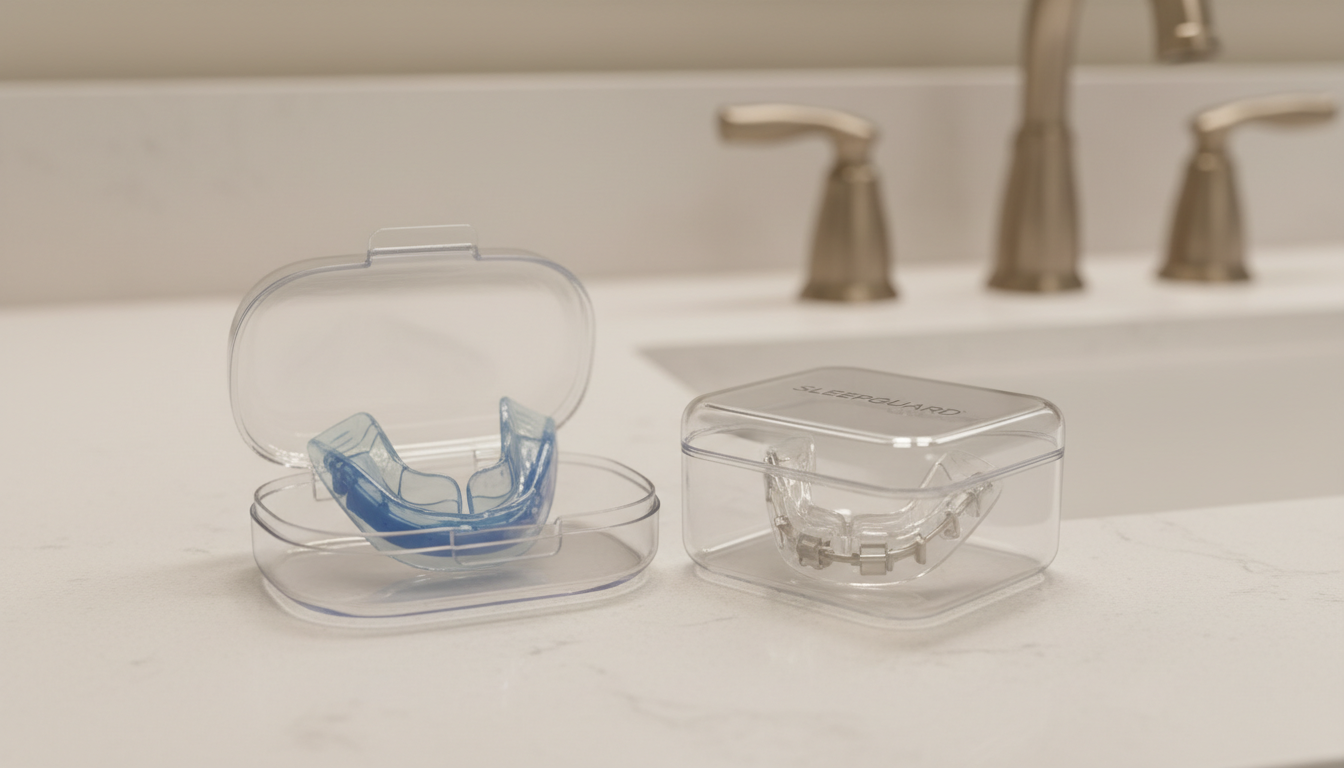
Days 2-4: Most users report mild soreness, similar to the day after the gym.
Days 5+: Adaptation complete for most people. If soreness continues, try wearing it 1-2 hours during the day to build tolerance faster.
Red flag: If you experience sharp pain (not soreness) or clicking in the TMJ joint, stop and consult a dentist. Some people shouldn’t use these devices.
Side-Sleeping Compatibility
All the devices we tested worked fine for side sleepers, though side sleepers reported higher success rates with ZQuiet and PureSleep because the two-piece design allows more natural head positioning. With tongue-retention devices, side sleeping was less comfortable because the tongue feels pushed more while turning your head.
Dryness and Drooling
An honest issue: mouthpieces can cause dryness or drooling depending on the fit. Too loose = drooling. Too tight = dryness. The boil-and-bite devices gave us better control over this. Keep a small glass of water by the bed—every user needed this during the first week.
Cleaning and Hygiene
Daily: Rinse with water after use and before bed.
Weekly: Soak in denture cleaner or diluted vinegar solution for 30 minutes.
Monthly: Deep clean with a soft toothbrush to remove any buildup.
All devices lasted well with this routine. We didn’t see any mold or bacterial growth issues in our testing. Device lifespan is typically 1-2 years with proper care.
Fit Checklist: How to Know It Fits Right
- Device should not feel like it’s going to fall out when you open your mouth slightly
- Lower jaw should advance about 5-8mm forward—noticeable but not extreme
- No sharp pressure points on gums or teeth
- You should be able to breathe through your mouth (lips can close but mouth should stay slightly open)
- Tongue has space but isn’t flopping around
If any of these are off, adjust during a reheating (for boil-and-bite) or switch devices.
Common Questions
Q: Can I wear it with braces? No. Wait until braces are off.
Q: What if I have a bridgework or dental implants? Most devices work, but custom fit is harder. Consult your dentist first.
Q: How long before it stops working? About 1-2 years with heavy use (every night). Devices eventually wear out and fit becomes loose.
Q: Can I use it for sleep apnea? Only mild-to-moderate cases, and only with a doctor’s approval. Severe sleep apnea requires CPAP therapy.
Bottom Line
If positional snoring isn’t your issue and you’re looking for a non-invasive solution, anti-snoring mouthpieces are worth trying. ZQuiet is the premium choice for comfort, while PureSleep offers great value. Give yourself at least 7 nights before deciding if it works for you.
For more context on snoring solutions, see our guide on Smart Nora review and comprehensive anti-snoring solutions.