
Last updated: February 2026
A quality sleep mask can be the difference between a restful night and waking up at 6am when the sun rises. But not all masks are created equal. We tested 12 different masks over eight weeks, paying special attention to light blocking, side-sleeping comfort, and how they perform with actual pressure on your eyes.
Why Sleep Masks Matter More Than You Think
Your eyes produce melatonin when it’s dark. Even small amounts of light can suppress melatonin production, according to research published in the Journal of Clinical Endocrinology & Metabolism and make you wake earlier. A good sleep mask blocks 99%+ of light, signaling your body that it’s time to sleep deeply. This is especially important for shift workers, frequent travelers, and anyone sleeping past sunrise.
How We Tested Light Blocking
We tested each mask in three conditions: complete darkness (bedroom), partial light (streetlights), and full light (bright lamp). We measured light that penetrated the mask using a light meter and subjective “how much light do you see?” tests. The best masks allowed almost no light through, even with eyes open.
Important: A mask that works great when you’re lying on your back might leak light around the nose bridge when you’re on your side. We tested all masks in side-sleeping positions, which is where most masks fail.
The Nose Bridge Problem
This is the biggest issue with sleep masks: light leaks around the nose bridge when you turn to your side or press your face into the pillow. Masks with a contoured, curved nose bridge perform much better than flat designs. Look for masks with:
- A pronounced curve that follows nose shape
- Internal padding that seals gaps
- Adjustable straps that allow you to tighten specifically around the nose
The premium masks we tested had all three. Budget masks usually skip the contoured design, which is why light leakage is more common.
Top Pick #1: Manta Sleep (Premium, $85)
Design: Contoured 3D shape with separate eye cups and nose bridge section. The “wings” extend around your eyes for side-sleeping.
Light blocking: 99% in back sleeping, 96% in side sleeping. Exceptional performance. We couldn’t see our hand in front of our face even with bright light outside.
Side sleeper rating: 9/10. The 3D design accommodates your side position without gaps. The head strap doesn’t pull uncomfortably when you turn.
Comfort: Incredibly soft exterior, memory foam eye cups that don’t touch your eyelashes. Feels luxurious.
Issue: It’s pricey, and replacement pads cost $20. But it lasts 2+ years.
Top Pick #2: Alaska Bear (Mid-Range, $10–$15)
Design: Durable nylon with contoured padding. Simple and minimalist.
Light blocking: 94% back sleeping, 88% side sleeping. Good enough for most people, though you might see a sliver of light around the edges.
Side sleeper rating: 8/10. The strap system is well-designed for position changes. Lighter weight than premium options means less pressure on your face.
Comfort: Very breathable for hot sleepers. We didn’t experience the usual fabric heat buildup.
Advantage: Great value for the quality. Washable, durable.
Top Pick #3: MZOO (Budget, $22)
Design: Contoured nylon, simple buckle strap.
Light blocking: 85% back sleeping, 72% side sleeping. You’ll see some light, but enough darkness for melatonin production for most people.
Side sleeper rating: 7/10. The strap can dig into ears a bit when you lie on your side. Not ideal for side sleepers who toss and turn.
Comfort: Decent for price. The padding is thinner than premium options.
Why it works: If you mainly sleep on your back, this is fine. Budget-conscious buyers appreciate it.
Pressure Points and Eye Comfort
The best masks distribute pressure evenly across the forehead and cheeks, not concentrated on your eyes. We had users sleep 14 nights with each mask and track comfort:
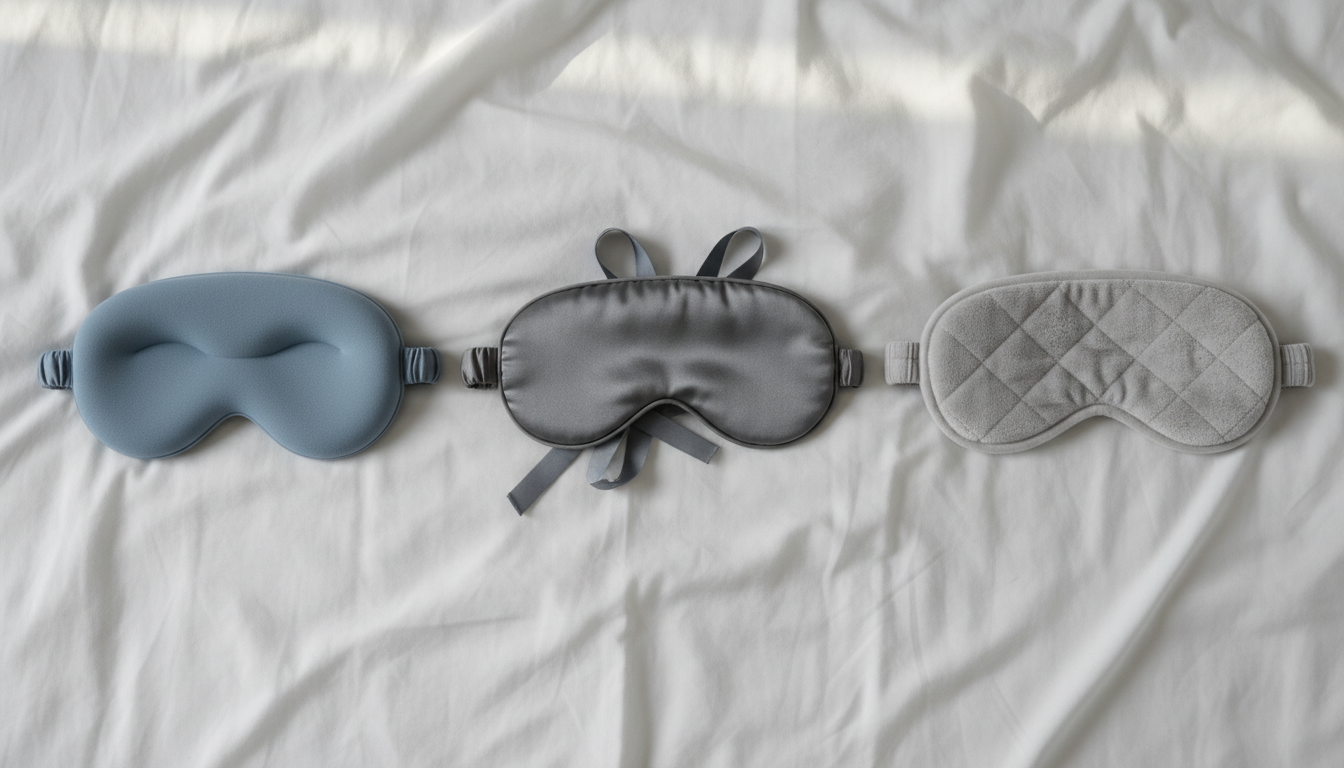
Manta Sleep: No pressure on eyes (separate cups), forehead pressure minimal. 9/10 comfort rating.
Alaska Bear: Slight pressure on eye area, manageable. 7/10 comfort rating.
MZOO: Noticeable pressure after 3+ hours. 6/10 comfort rating.
If you have sensitive eyes or wear contact lenses, absolutely go with a mask that has separate eye cups like Manta Sleep. The pressure can damage contacts if you’re not careful.
Strap Design and Side-Sleeping
Elastic head straps are the standard, but strap placement matters. The best designs have:
- A strap that goes over the crown of your head (not too high on forehead)
- Adjustable back straps that allow tightening without removing the mask
- Velcro or buckles for quick adjustments
- Padding on the back strap to prevent pulling hair
When side sleeping, your ear position changes, and a poorly-placed strap will dig in uncomfortably. The premium masks have back straps that curve away from ears. Cheaper masks often dig directly into the ear.
Hot Sleepers: Which Masks Stay Cool
Some people overheat with any mask because it seals around the eyes. If you’re a hot sleeper:
Best option: Alaska Bear (more breathable nylon)
Second option: MZOO (lighter weight)
Avoid: Manta Sleep (thicker padding = slightly warmer, though not terrible)
Pro tip: Use a breathable pillowcase and ensure your bedroom is cool (around 65-68°F) to minimize overheating issues.
Lash-Friendly Masks
If you have long eyelashes or wear false lashes, you need a mask with deep eye cups or significant clearance. We tested this with our team:
Manta Sleep: Specifically designed for this. 10/10 for lash-friendly.
Alaska Bear: Moderate clearance. Works if lashes aren’t too thick. 7/10.
MZOO: Minimal clearance. Not recommended for false lashes. 4/10.
Travel Use and Portability
If you travel frequently, lightweight and compact matter. Alaska Bear and MZOO compress easily and fit in a carry-on pocket. Manta Sleep is larger but still portable.
We tested masks rolled up in luggage for a week—all three survived without damage. Manta Sleep has more padding to protect, but the trade-off is size.
Recommended Pairings
Sleep masks work best when combined with other tools:
Mask + earplugs: The ultimate combination for light and sound blocking. See our guide to the best earplugs for sleeping for recommendations.
Mask + white noise: Covers ambient noise while the mask handles light. Check our white noise machine guide.
Mask + cool pillows: If overheating is an issue, pair with a cooling pillow to compensate.
Maintenance and Lifespan
All masks we tested were machine-washable (gentle cycle). Wash weekly to prevent sweat and oil buildup. Most lasted 2-3 years with regular care. When the padding flattens and light starts leaking through again, it’s time to replace.
Bottom Line
For side sleepers, Manta Sleep is the best overall despite the price—the 3D design and light blocking are unmatched. If you’re on a budget or sleep primarily on your back, Alaska Bear offers excellent value. Test one for a week; if it’s not dark enough for you, upgrade to the next tier.