
Last updated: February 2026
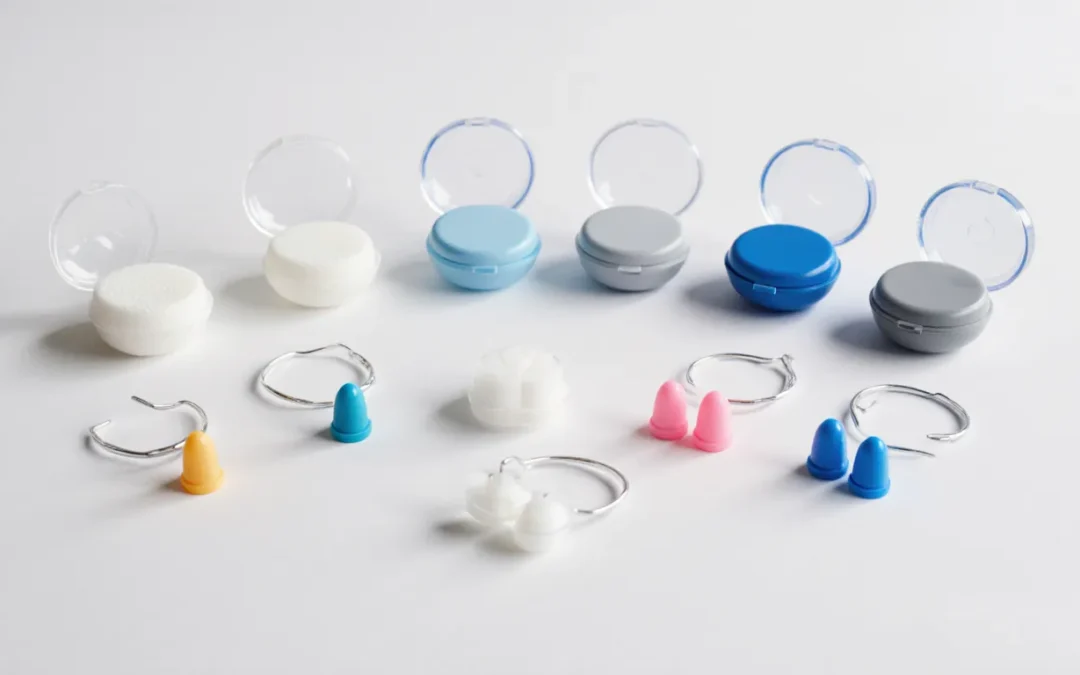
A snoring partner, traffic noise, or a roommate’s 2am bathroom trip can destroy your sleep quality. Earplugs are an affordable solution, but finding the right ones is more nuanced than you’d think. We tested 15 different earplug styles over 10 weeks to find what actually works for sleep.
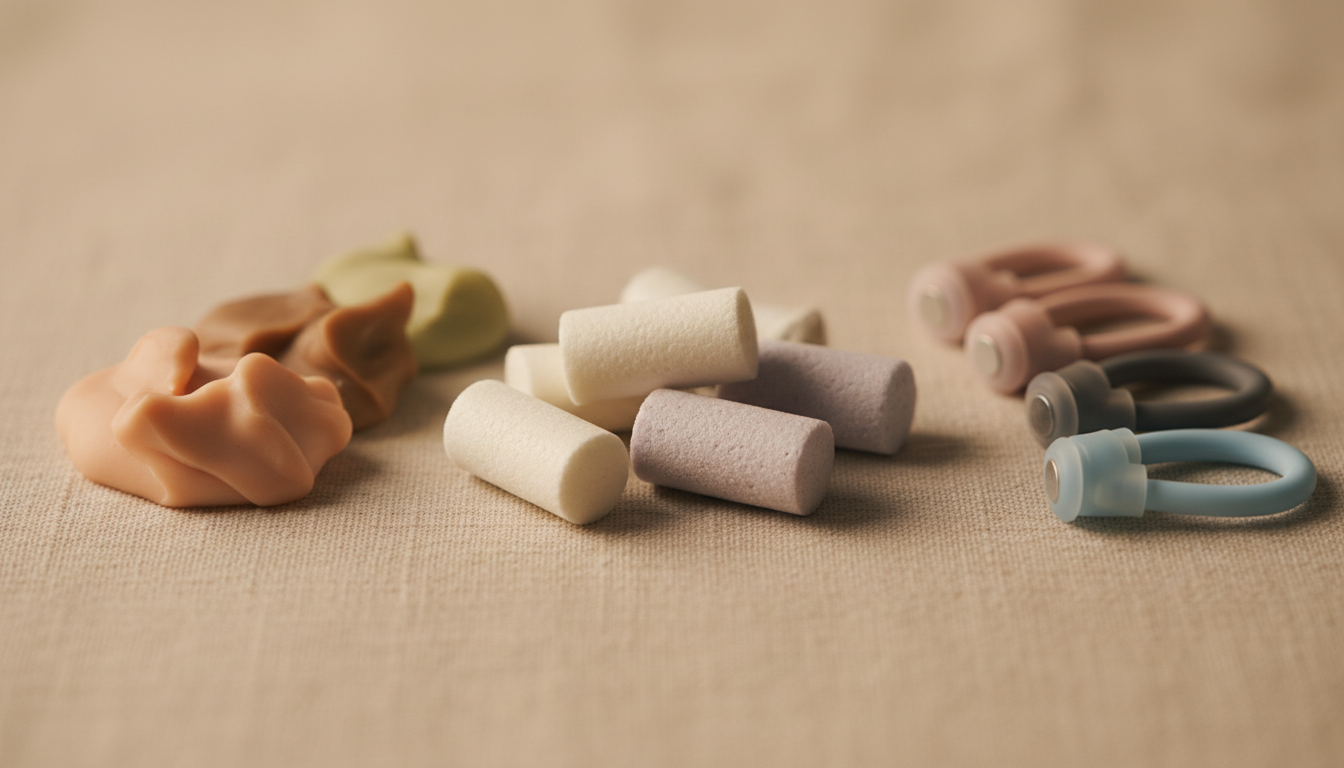
Foam Earplugs: The Gold Standard for Sound Blocking
How they work: Soft foam expands in your ear canal to create an air-tight seal, blocking sound waves from entering.
Noise reduction rating (NRR): 28-33 dB (highest of any earplug type)
Comfort: Highly dependent on fit. If inserted correctly, foam earplugs are the most comfortable for all-night wear. If not inserted correctly, they’re the worst—too tight, pressure buildup, discomfort.
Best brand we tested: Mack’s Pillow Soft Silicone (marketed as silicone, but actually soft foam). $4 for 10 pairs. Best value. Moldable to your ear shape.
Insertion technique: This is critical. Roll the foam tightly between your fingers, insert into ear canal straight in (not angled), then let it expand. Wait 30 seconds before lying down. Most people insert too shallow, which reduces effectiveness.
Maintenance: Disposable. Use fresh pairs nightly for hygiene. Some people reuse for 2-3 nights, but cerumen (earwax) buildup increases infection risk.
Silicone Earplugs: Reusable and Moldable
How they work: Moldable silicone putty that you shape to fit your ear canal.
Noise reduction rating (NRR): 22-25 dB (lower than foam, but still effective)
Comfort: Once molded correctly, excellent for sleep. You shape it to your specific ear anatomy, which means perfect fit.
Best brand we tested: Hearos Xtreme Protection Silicone Putty. $6 for a tub that lasts months (you reuse the same putty, rolling fresh each night).
How to use: Roll a small ball of putty, shape it over your ear canal opening (not inserted deep), then let it set. The seal happens over your outer canal, not deep inside, which is more comfortable for side sleepers.
Advantages: Reusable for months, highly customizable, gentler on ear canals than foam.
Disadvantages: Slightly less sound blocking than foam, can get compressed by pillow pressure during sleep, requires daily prep time.
Loop-Style Earplugs: Modern and Discreet
What they are: Small earplugs on a thin loop that sits at the opening of your ear canal (not inserted deep).
Brands tested: Loop Quiet, Flents Quiet! Earplug Loops
Noise reduction rating (NRR): 20-22 dB (lowest sound reduction, but adequate for many)
Comfort: Best for side sleepers. Zero pressure in the ear canal, so no discomfort, no feeling of being “plugged,” and no risk of ear canal damage. Earplugs stay in place if sized correctly.
Advantages: Most comfortable for all-night wear, discreet appearance, no risk of deep insertion, easy to put in and remove.
Disadvantages: Lower noise blocking, might fall out if you sleep on your side and press into pillow, ineffective for very loud snoring.
Occlusion Effect: The “Underwater” Feeling
The occlusion effect is real and often overlooked. When you insert any earplug, it traps sound waves inside your ear canal—including your own breathing, heartbeat, and jaw movement. Some people find this claustrophobic (“underwater” feeling).
Intensity by type:
- Foam earplugs: High occlusion effect (30-40% of users report discomfort)
- Silicone putty: Medium occlusion effect (20% report discomfort)
- Loop-style: Minimal occlusion effect (5% report discomfort)
How to manage it: If occlusion bothers you, try loop-style first. Some people adapt to the feeling after 3-4 nights. Others never adjust. If you can’t get past it, loop-style or silicone putty (shallow insertion) are your best bets.
Side Sleeper Compatibility
Side sleepers have specific challenges: pillow pressure can dislodge earplugs, and ear canal shape changes when your head is on its side.
Best for side sleepers: Loop-style earplugs. The loop design accommodates side-sleeping position without dislodging.
Second best: Silicone putty, inserted shallowly (over the canal, not into it).
Least ideal: Deep foam earplugs (pillow pressure can push them too deep, causing discomfort).
Pro tip: If you use foam earplugs and sleep on your side, use a contoured pillow that doesn’t put direct pressure on your ears. Or flip the earplug side to face the open air (not into the pillow).
Cleaning and Safety Basics
Never:
- Insert earplugs while your ears are wet from showering
- Share earplugs with anyone
- Use the same foam earplugs for more than 2-3 nights
- Force earplugs deep into your canal
- Use earplugs if you have an ear infection
Always:
- Wash your hands before inserting
- Remove earplugs slowly and gently
- Inspect ears weekly for cerumen impaction
- Replace silicone putty if it gets hard or discolored
Noise Reduction for Specific Situations
For a snoring partner: Foam earplugs (NRR 28-33 dB). Snoring averages 40-80 dB—foam earplugs reduce it to manageable levels (15-50 dB). Still audible but less jarring.
For city street noise: Silicone putty or foam earplugs. Urban noise is 60-80 dB — the CDC notes that prolonged exposure above 70 dB can damage hearing; you need 25+ dB reduction. Loop-style might not cut it unless it’s light traffic.
For light sleeper next to you: Loop-style or shallow silicone. You want sound reduction without total isolation (safety concern for hearing alarms).
For partner who talks in sleep: Foam earplugs. Speech is 50-65 dB; foam reduces it enough that you won’t wake to mumbled words.
Quick Sizing Tips
Foam earplugs: One size fits most. If too large, try a different brand’s “small” version.
Silicone putty: No sizing needed. You mold it to fit.
Loop-style: Usually comes in small, medium, large. Try on before buying if possible. Incorrect sizing means earplugs fall out.
How to know if it fits: The earplug should feel snug but not painful. You shouldn’t hear your own heartbeat amplified (that means too deep insertion). The earplug shouldn’t be visible from the outside (properly seated).
Try-This-First Approach
If you’ve never used earplugs for sleep:
Night 1-3: Use loop-style to get acclimated. Zero discomfort, minimal sound reduction, but you’ll adapt to wearing something in your ears.
Night 4-7: Try silicone putty if you want more noise reduction. Measure comfort vs. noise blocking trade-off.
Night 8+: If you need more sound reduction, try foam earplugs. Use proper insertion technique.
This progression helps you find your sweet spot without overwhelming your senses on night one.
Bottom Line
The “best” earplug depends on your situation. For maximum sound blocking, foam earplugs win. For side-sleeper comfort, loop-style wins. For customizable fit and reusability, silicone putty wins. Test them in this order, and you’ll find your ideal solution within two weeks.