
Last updated: February 2026
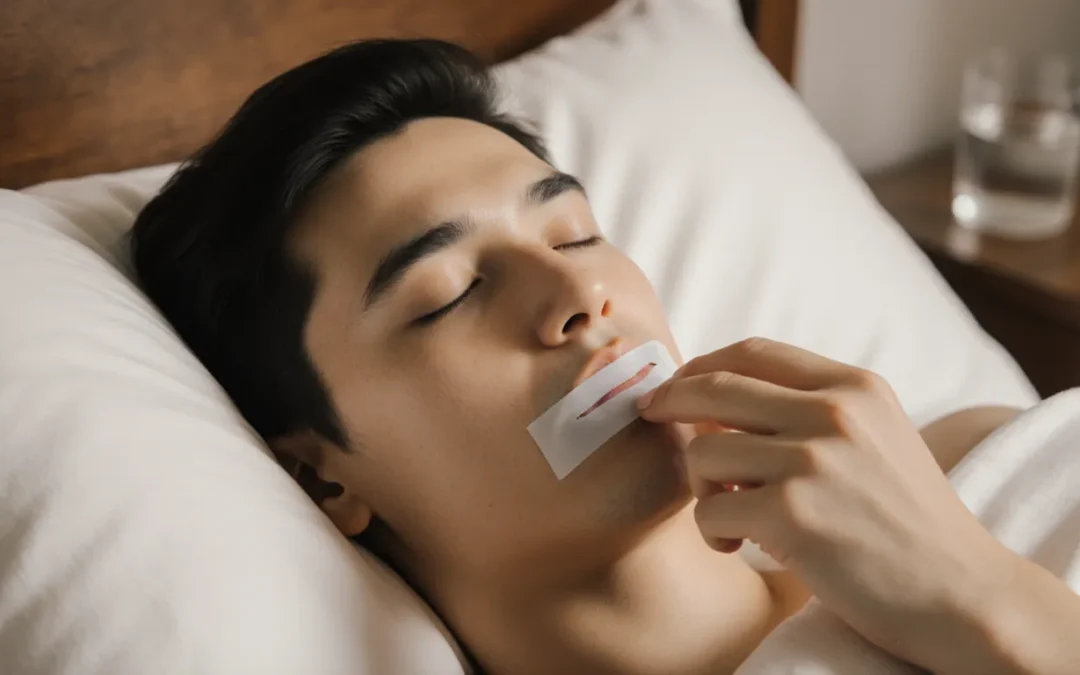
Mouth taping has become one of the most talked-about sleep trends in the last couple of years. The idea is simple: apply a small piece of gentle tape over your lips before bed to encourage nasal breathing during sleep. Proponents say it reduces snoring, improves sleep quality, and prevents dry mouth. Critics say it’s overhyped and potentially unsafe.
The truth is somewhere in the middle. Mouth taping can be a helpful tool for the right person — but it’s not for everyone, and it’s important to do it safely.
What Mouth Taping Actually Does
When you breathe through your mouth during sleep, several things tend to happen: your mouth and throat dry out, snoring becomes more likely, and you may not get the benefits that nasal breathing provides (like air filtering, humidification, and nitric oxide production).
Mouth tape gently keeps your lips together, encouraging your body to breathe through the nose. For people who are mild mouth-breathers with no underlying nasal obstruction, this can reduce snoring and improve how they feel in the morning.
Who Should NOT Use Mouth Tape
This is important. Do not use mouth tape if you:
- Have nasal congestion, a deviated septum, or chronic nasal obstruction
- Have been diagnosed with or suspect sleep apnea (tape can mask symptoms and delay proper treatment)
- Have difficulty breathing through your nose for any reason
- Experience claustrophobia or anxiety about having your mouth restricted
- Have skin conditions around the mouth
- Are a child (mouth tape is not recommended for children)
If you snore heavily or have any symptoms of sleep apnea — gasping, choking, excessive daytime sleepiness — see a doctor before trying mouth tape. Mouth tape is not a treatment for sleep apnea.
How to Use Mouth Tape Safely
Start with a test nap. Try mouth tape during a short daytime nap first to see how it feels. If you’re uncomfortable, don’t force it.
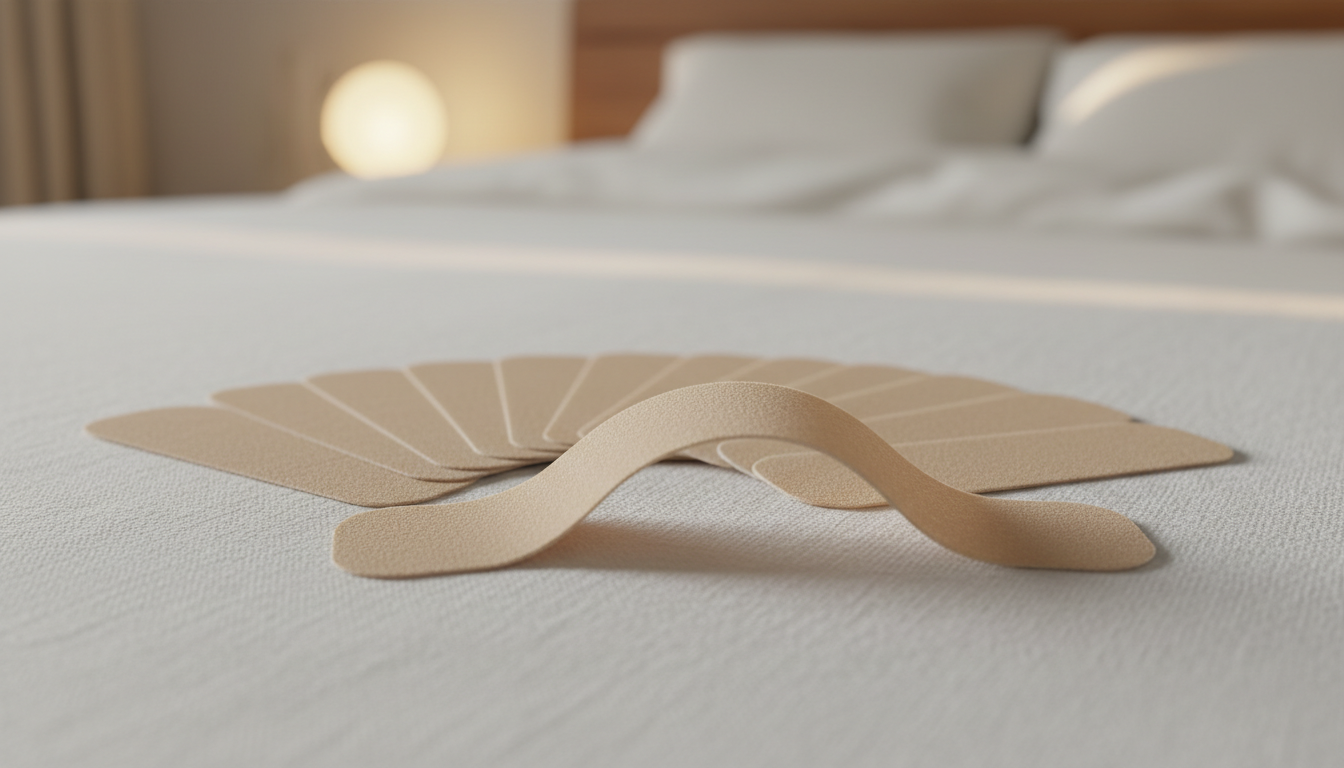
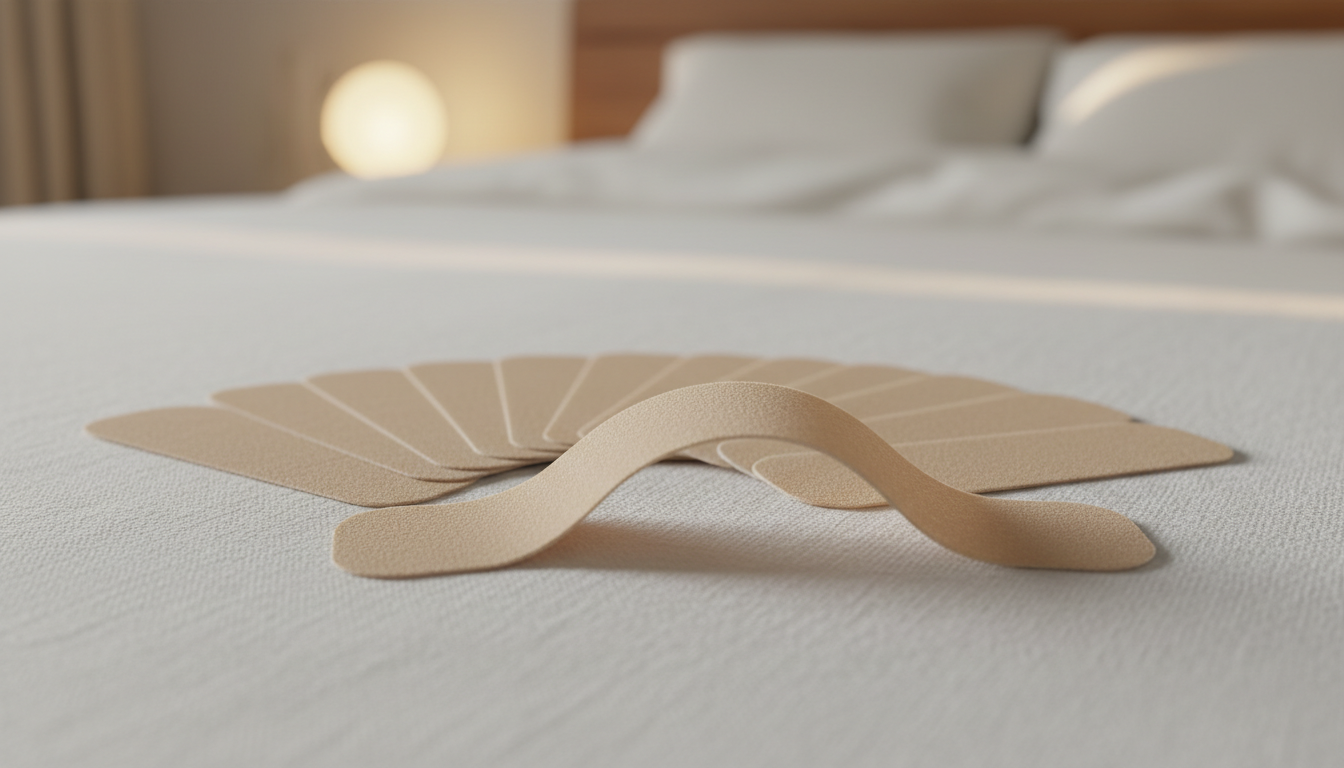
Use tape designed for skin. Don’t use packing tape, duct tape, or any tape not designed for facial skin. Purpose-made mouth tapes use gentle adhesive that comes off easily.
Prep your skin. Make sure your lips and the area around them are clean and dry. Apply a small amount of lip balm if your lips are chapped.
Don’t seal your entire mouth. Some people use a small vertical strip; others use an H-shape or a purpose-designed tape with a small vent. You should always be able to open your mouth if needed.
Stop if it feels wrong. If you wake up anxious, if you’re pulling the tape off in your sleep repeatedly, or if you feel restricted, stop using it.
Our Top Mouth Tape Picks
For first-timers: Look for brands with a small vent or breathable design. These give you a safety margin while you adjust.
For sensitive skin: Choose tapes with hypoallergenic adhesive. Medical-grade micropore tape is a budget alternative that many people tolerate well.
For strong hold: If you find lighter tapes come off during the night, look for brands specifically designed for all-night adhesion — but make sure the adhesive is still gentle enough for daily use.
Budget option: 3M Micropore surgical tape (available at any pharmacy) is what many people start with. Cut a small strip and apply vertically. It’s inexpensive and widely available.
Alternatives to Mouth Tape
If mouth tape doesn’t appeal to you or isn’t appropriate for your situation, consider these alternatives:
- Nasal strips — These open the nasal passages from the outside, making it easier to breathe through your nose. They don’t keep your mouth closed but can reduce the tendency to mouth-breathe.
- Nasal dilators — Small silicone inserts that hold your nostrils open from the inside. More discreet than strips.
- Chin straps — Fabric straps that wrap under the chin and over the head. Less popular due to comfort issues, but some people prefer them to tape.
- Humidifier — If dry mouth is the main issue, a bedside humidifier might solve the problem without taping anything.
- Positional therapy — Mouth breathing is often worse on your back. A positional device or pillow that keeps you on your side may help.
The Bottom Line
Mouth tape is a simple, inexpensive tool that works well for mild mouth-breathers with clear nasal passages. It’s not a medical device, it’s not a cure for snoring or apnea, and it’s not for everyone. If you want to try it, start gently, use the right tape, and stop if it doesn’t feel right.
For more on snoring solutions, see our complete anti-snoring comparison or our guide to earplugs for sleeping (for the partner who has to listen to you snore).