

Last updated: February 2026
You’re lying in bed, staring at the ceiling, doing math about how many hours of sleep you’ll get “if I fall asleep right now.” Sound familiar? You’re not broken, and you don’t need a complicated protocol or a $3,000 mattress. You need a simple, step-by-step system that stacks small fixes until your sleep actually changes.
That’s exactly what the Fast Sleep Fix Method is — a 30-night plan built around five core pillars that most sleep researchers agree on. No gimmicks. No supplements you can’t pronounce. Just a clear path from “why am I still awake?” to “wait, I slept through the night?”
The Five Pillars of the Fast Sleep Fix Method
Before we get into the week-by-week plan, here’s the framework. Every change you’ll make falls into one of these five categories.
Pillar 1: Lock Your Sleep Schedule
Your body’s internal clock — your circadian rhythm — thrives on consistency. Picking a fixed wake time and sticking to it every day (yes, weekends too) is the single most powerful change most people can make. Your body learns when to feel sleepy based on when you wake up, and that prediction gets sharper with repetition.
You don’t need to go to bed at the same time every night right away. Start with the wake time. Sleepiness will follow.
Pillar 2: Get Your Light Timing Right
Light is the primary signal that sets your circadian clock. Two rules matter most: get bright light exposure within the first hour after waking, and dim your environment in the two hours before bed. Morning light tells your brain “the day has started,” which sets the timer for melatonin release roughly 14 to 16 hours later.
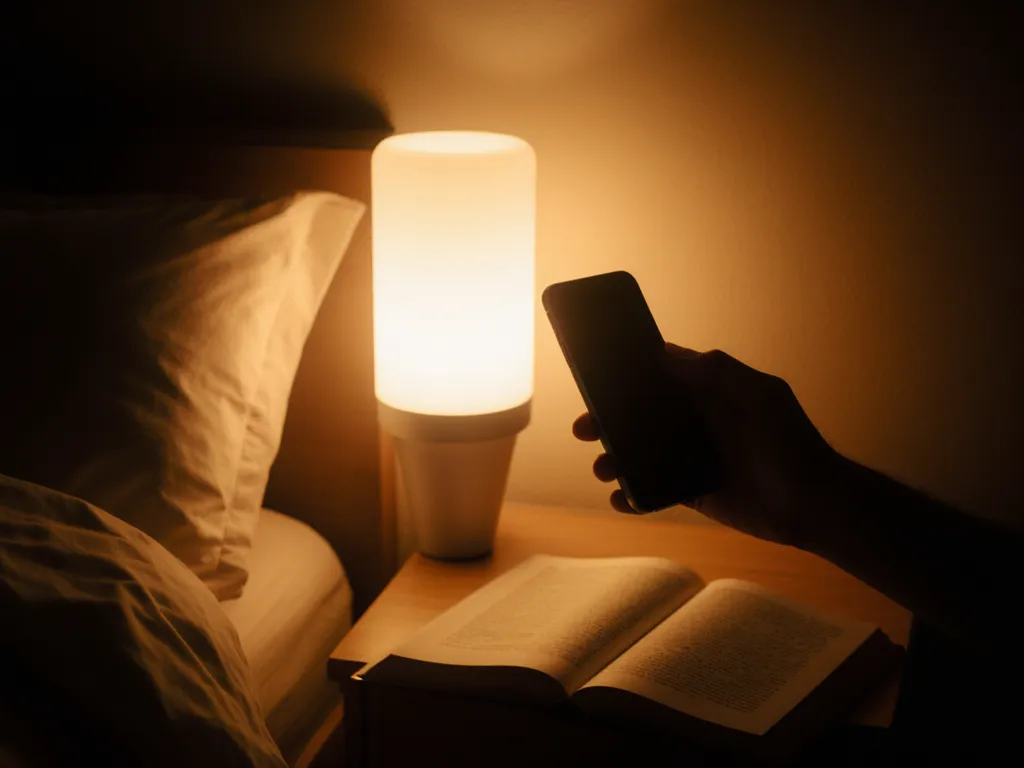
In the evening, switch to warm, dim lighting. Overhead fluorescents and bright phone screens at 11 PM are working against you. You don’t need to buy fancy gear — just turn off the overhead lights, use a bedside lamp, and drop your screen brightness.
Pillar 3: Set a Caffeine Cutoff
Caffeine has a half-life of about five to six hours, which means half the caffeine from your 3 PM coffee is still circulating at 9 PM. For most people, cutting off caffeine by early afternoon makes a noticeable difference. If you’re sensitive, noon might be your line.
This doesn’t mean you have to give up coffee. It means you stop drinking it at a time that lets your body clear it before bed.
Pillar 4: Build a Wind-Down Routine
Your brain doesn’t have an off switch. It needs a transition period between “doing stuff” and “sleeping.” A wind-down routine is just 30 to 60 minutes of low-stimulation activity before bed — reading a book, stretching, listening to calm music, or a warm shower.
The specific activities matter less than the consistency. When you do the same things every night before bed, your brain starts to associate those activities with sleep.
Pillar 5: Set Up Your Bedroom for Sleep
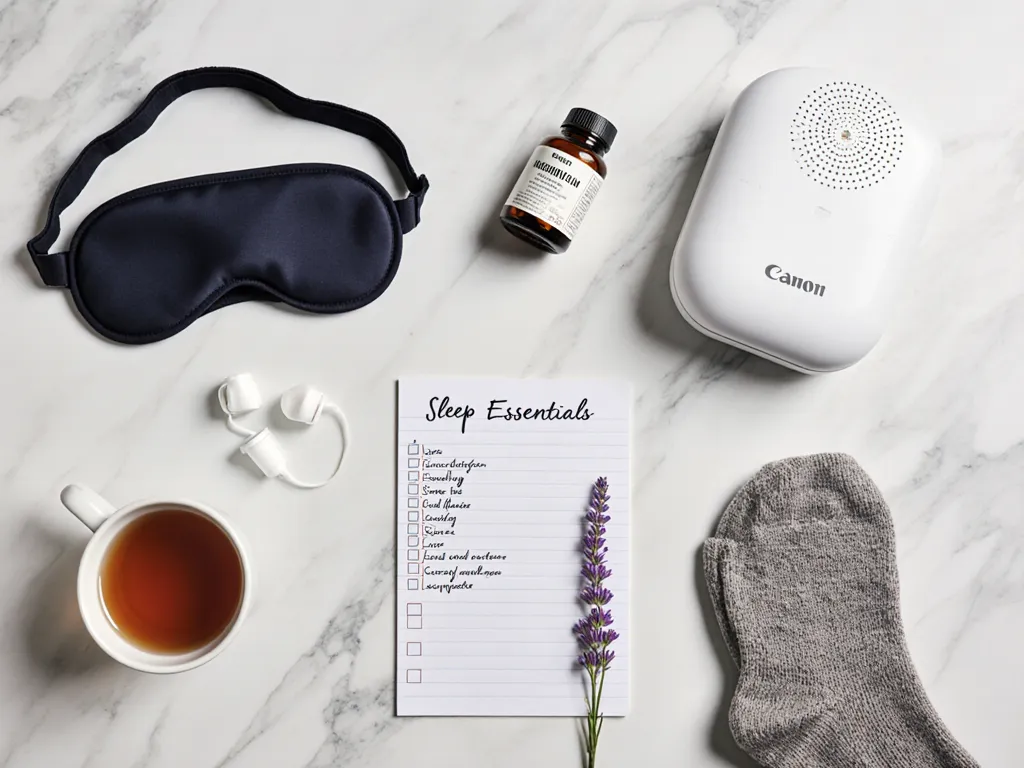
Your bedroom should be cool, dark, and quiet. That’s it. Aim for a room temperature around 65 to 68°F (18 to 20°C). Use blackout curtains or a sleep mask to block light. Use earplugs or a white noise machine if noise is a problem.
Remove your phone from arm’s reach, or better yet, charge it in another room. The bedroom should feel like a place for sleep, not a second office.
The 30-Night Plan: Week by Week
Here’s how to put it all together without overwhelming yourself. Each week adds one or two new changes so you’re not trying to overhaul everything on night one.
Week 1 (Nights 1–7): The Foundation
Pick your fixed wake time and set an alarm for it every day, including weekends. Get outside or sit by a bright window within 30 minutes of waking. Set your caffeine cutoff for 2 PM (adjust earlier if you’re sensitive). That’s it — three changes.
If you already do these things, great. Spend this week making sure they’re truly consistent.
Week 2 (Nights 8–14): The Wind-Down
Start a 30-minute wind-down routine before bed. Dim the lights in your home after sunset or at least two hours before your target bedtime. Put your phone on Do Not Disturb mode at the start of your wind-down and set it across the room.
Don’t stress about the exact bedtime yet. Go to bed when you feel sleepy — your consistent wake time will start pulling your sleep drive into a rhythm.


Week 3 (Nights 15–21): The Environment
Evaluate your bedroom temperature and adjust (fans, lighter blankets, opening a window). Try a sleep mask for three nights to test whether light is disrupting you. If noise is a factor, test earplugs or a white noise machine.
This is also a good week to check your pillow and mattress. If your pillow is older than two years or you wake up with neck or back pain, it might be time for a change.
Week 4 (Nights 22–30): Fine-Tuning and Troubleshooting
By now you should be noticing some changes. Use this week to troubleshoot:
If you can’t fall asleep within 20 minutes: Get up, go to a dim room, do something calm, and return to bed when you feel sleepy. Lying in bed frustrated just teaches your brain that bed equals frustration.
If you wake up at 3 AM and can’t get back to sleep: Same approach — don’t fight it in bed. Get up, keep lights low, and return when drowsiness hits. Avoid checking the time.
If you’re too hot at night: Try lighter bedding, a fan pointed at your bed, or cooling sheets. Moisture-wicking materials can make a surprising difference.
If you’re waking up too early: Make sure your room is truly dark and consider whether stress or anxiety is a factor. Sometimes early waking is a sign you need more wind-down time, not less sleep.
Your Fast Sleep Fix Checklist
Here’s a printable checklist you can stick on your bathroom mirror or nightstand:
Daily habits:
- Wake at the same time every day (even weekends)
- Get bright light within 30 minutes of waking
- Stop caffeine by 2 PM
- Dim lights 2 hours before bed
- Start wind-down routine 30–60 minutes before bed
- Phone on DND and across the room
Bedroom setup:
- Room temperature: 65–68°F (18–20°C)
- Darkness: blackout curtains or sleep mask
- Quiet: earplugs or white noise machine
- Comfortable pillow and bedding
- No screens in bed
Products That Support the Method
You don’t need to buy anything to follow this plan. But if you want to optimize specific pillars, here are the categories where the right product can make a real difference:
- White noise machines — for the quiet pillar, especially if you live in a noisy environment
- Sunrise alarm clocks — for the light timing pillar, particularly in winter or if you hate jarring alarms
- Sleep masks — for darkness when blackout curtains aren’t practical
- Earplugs and sleep earbuds — for noise control, especially if you share a bed with a snorer
- Cooling bedding and pillows — for temperature regulation
- Mouth tape — for nasal breathing (if appropriate for you; not everyone should use it)
- Magnesium supplements — a common sleep support choice, though you should check with your doctor first
We review all of these in detail across the site, with honest pros and cons for each product.
When to Talk to a Clinician
This plan works well for people whose sleep struggles come from habits, environment, and schedule. But some sleep problems have a medical basis, and no amount of pillow upgrades or caffeine timing will fix them.
Consider seeing a doctor or sleep specialist if:
- You’ve followed a plan like this consistently for 4+ weeks with no improvement
- You snore loudly, gasp, or stop breathing during sleep (possible sleep apnea — the CDC offers guidance on recognizing sleep disorders)
- You experience excessive daytime sleepiness despite getting 7+ hours in bed
- You have restless legs, limb movements, or pain that disrupts sleep
- You’re dealing with chronic insomnia (difficulty sleeping 3+ nights per week for 3+ months)
- Your mood, work, or relationships are suffering because of sleep
Cognitive Behavioral Therapy for Insomnia (CBT-I) is widely regarded as the first-line treatment for chronic insomnia, and it’s more effective long-term than sleeping pills for most people. Your doctor can refer you to a CBT-I specialist, or you can look into app-based CBT-I programs as a starting point.
Sleep is a health topic, and there’s no shame in getting professional help. Just like you’d see a physical therapist for a knee that won’t stop hurting, a sleep specialist can help you find what’s going on under the hood.
The Bottom Line
Better sleep doesn’t come from one magic purchase or one perfect trick. It comes from stacking simple, consistent changes — your wake time, your light exposure, your caffeine cutoff, your wind-down routine, and your bedroom setup — until your body starts cooperating.
The Fast Sleep Fix Method gives you a 30-night roadmap to do exactly that. Start with Week 1 tonight. You don’t need to be perfect. You just need to be consistent.
Sweet dreams. We mean that.
This post is part of the Fast Sleep Fix core guide series. For product-specific recommendations, check out our Best Sleep Products for 2026 roundup or dive into individual categories like white noise machines, sunrise alarms, and sleep masks.