
Last updated: February 2026
Weighted blankets have exploded in popularity, marketed as anxiety-reducing sleep tools. Some people swear by them; others find them claustrophobic and overheat under them. The evidence is genuine but modest, and they’re definitely not for everyone. This guide clarifies who benefits from weighted blankets, who should avoid them, how to pick the right weight, and what to expect.
What Weighted Blankets Actually Do
Weighted blankets (typically 5–30 lbs) work through deep touch pressure, a principle borrowed from occupational therapy. The pressure stimulates the parasympathetic nervous system (“rest and digest”), reducing cortisol and increasing serotonin. This can lower anxiety, reduce restlessness, and make sleep feel deeper.
Key word: “can.” The research shows modest benefits for anxiety, PTSD, and insomnia, but individual responses vary enormously. A weighted blanket doesn’t work for everyone, and that’s okay.
Who Tends to Like Weighted Blankets
Anxiety or racing thoughts: If your sleep problem is mental (mind won’t shut off), the grounding sensation can help.
PTSD or trauma-related sleep issues: The deep pressure can feel protective and reduce nighttime hypervigilance.
Restlessness or fidgeting in bed: The weight pins you down, reducing tossing and turning.
People who like to be “cocooned”: Some humans are sensory-seekers and enjoy being wrapped and weighted; others are claustrophobes and hate it.
Autism spectrum or sensory processing differences: Deep pressure is documented to help some autistic individuals with sleep and anxiety.
Who Should Avoid Weighted Blankets
Claustrophobia or Panic Disorder
If you feel trapped or panicked under heavy blankets, a weighted blanket will likely worsen anxiety, not improve it. No benefit is worth triggering panic at bedtime.
Respiratory Issues or Sleep Apnea
A heavy blanket pressing on your chest can restrict breathing and worsen apnea. If you have diagnosed sleep apnea, talk to your sleep doctor before using a weighted blanket. For mild breathing issues, test cautiously and monitor.
Young Children (Under 5)
Safety organizations recommend against weighted blankets for children under 5. Risk of suffocation if the blanket covers the face, and inability to reposition themselves safely. For kids 5+, use only if supervised and under professional guidance (occupational therapist or pediatrician).
Overheating Problems
Weighted blankets trap more heat than regular blankets. If you already overheat, a weighted blanket will likely worsen night sweats, not help sleep. Skip it or pair it with cooling sheets if you must try one.
Mobility Issues
If you have limited mobility or need to reposition frequently during the night, a heavy blanket can be difficult to manage and may cause frustration.
Choosing the Right Weight
General rule: Weighted blankets should be 10% of your body weight, plus or minus 1–2 lbs.
Examples:
- 100 lbs person → 10 lb blanket
- 150 lbs person → 15 lb blanket
- 200 lbs person → 20 lb blanket
Why 10%? Heavy enough to feel grounding and calming, not so heavy that it’s exhausting or restricts breathing. Individual preference varies—some people like slightly lighter (8%), others prefer heavier (12–15%), but 10% is the research-backed sweet spot.
If you’re between sizes: Start with the lighter option. You can always add weight by pairing it with a regular blanket on top. Conversely, a blanket that’s too heavy is uncomfortable and hard to return.
Couples consideration: If sleeping as a couple, you have two options: separate blankets (each person’s ideal weight), or a compromise weight closer to the heavier person’s ideal. Some couples use a weighted blanket for the anxiety-prone partner and a regular blanket for the other.
Materials and Heat Considerations
Cooling Weighted Blankets (for Hot Sleepers)
Materials: Bamboo cotton, cooling gel-infused fabrics, or breathable linen outer shells.
Pros: Weighted benefit without as much heat trapping.
Cons: Significantly more expensive ($200–400 vs. $80–180 for regular weighted blankets).
Best for: Hot sleepers who genuinely want the weighted benefit. Test a regular weighted blanket first; if overheating is mild, pairing with cooling sheets might be cheaper than a cooling-specific weighted blanket.
Microfiber or Fleece Weighted Blankets
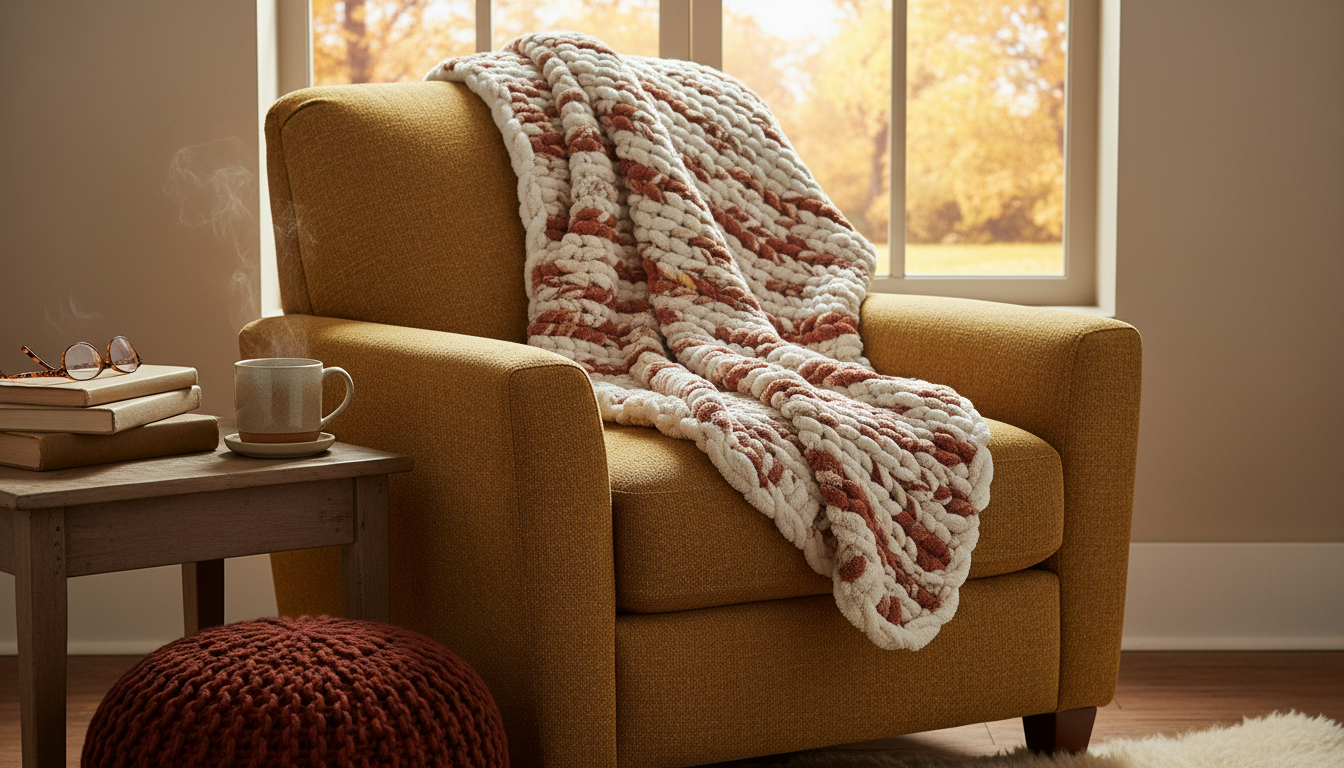
Feel: Soft and cozy, but heavier heat trapping.
Best for: Cold climates or people who don’t overheat.
Cotton or Linen Weighted Blankets
Feel: Breathable, less heat trapping, natural feel.
Best for: Most people; good compromise between breathability and softness.
Cooling Gel or Water-Infused Options
Technology: Some weighted blankets use gel beads or phase-change materials to actively cool.
Cost: $250–500+.
Best for: People with night sweats or very warm sleepers who want weighted benefits.
Cleaning and Maintenance
Machine washable models: Check the label. Many weighted blankets can be machine-washed on gentle cycle, cold water. Some require dry cleaning (expensive).
Duvet cover: Using a duvet cover protects the blanket and makes cleaning easier. Wash the cover weekly; blanket monthly or less frequently depending on use.
Without a cover: Spot-clean stains, and air out the blanket regularly. Full washing may require a commercial machine due to weight.
Drying: Low heat or hang dry. High heat can damage stitching and weighted fill materials.
Top Weighted Blanket Picks
Budget-Friendly ($80–120)
Gravity Blanket (basic model): Classic weighted blanket, cotton exterior, 5–30 lb options. Solid performer for the price.
Amazon Basics or Target Weighted Blanket: Simple, effective, machine-washable. Good entry point to test if weighted blankets work for you before investing more.
Mid-Range ($150–250)
Brooklinen Weighted Blanket: Linen outer, breathable, premium feel, true-to-weight, good reviews for cooling.
Helix Weighted Blanket: Cooling-focused, hybrid materials, excellent reviews from hot sleepers.
Premium/Cooling-Focused ($250–500)
Luna Weighted Blanket with Cooling: Gel-infused technology, premium materials, excellent for night sweats and hot sleepers.
Layla Weighted Blanket: Dual-sided design (cotton on one side, soft fleece on the other), glass-bead fill with excellent weight distribution, 5-year warranty. Priced at $119-179.
Realistic Expectations
Weighted blankets help some people significantly, have mild effects for others, and don’t help some at all. This is normal. Individual nervous system responses vary. A weighted blanket isn’t a treatment for sleep apnea, untreated anxiety disorders, or poor sleep hygiene; it’s a support tool that works best alongside other sleep improvements.
Give a weighted blanket 2–4 weeks of consistent use before deciding. Initial nights might feel odd; your nervous system needs time to adjust. If after a month you feel no benefit, weighted blankets probably aren’t for you, and that’s fine—plenty of other tools exist.
Pairing Weighted Blankets With Other Tools
Weighted blanket + meditation or white noise app: Sensory + mental calming, often more effective together.
Weighted blanket + cooling sheets: Heat management while keeping the grounding benefit.
Weighted blanket + consistent bedtime routine: Part of a broader wind-down process.
Bottom Line
Weighted blankets work for anxiety, restlessness, and providing comfort for some people. Choose 10% of your body weight. Avoid them if you have claustrophobia, respiratory issues, or tend to overheat. If you sleep hot, invest in a cooling-specific weighted blanket or pair a regular one with cooling sheets. Test for 2–4 weeks; if no benefit, weighted blankets aren’t for you. They’re a support tool, not a cure, and work best combined with other sleep improvements like consistent bedtime routines and addressing underlying anxiety.