
Last updated: February 2026
Sunrise alarms aren’t a new concept, but they’ve evolved significantly. We tested seven different sunrise alarm clocks over 12 weeks, ranging from $30 budget options to $250 premium models. Here’s what actually works and what’s just hype.
The Science: Why Sunrise Alarms Work
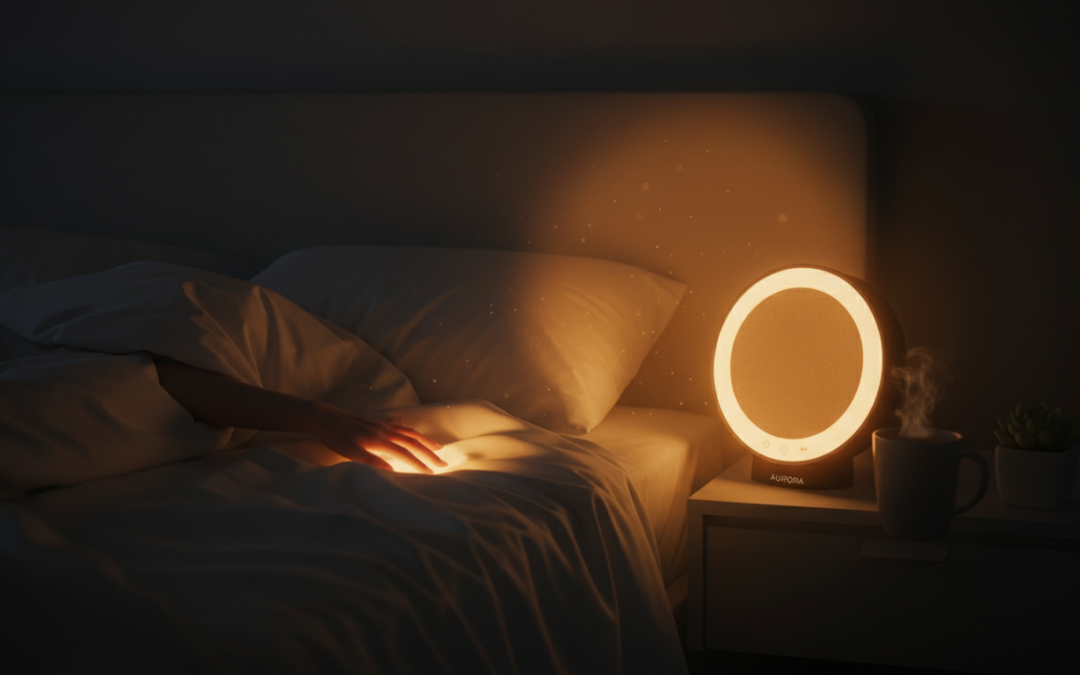
Melatonin—the sleep hormone—is suppressed by light exposure. A gradual sunrise mimics natural morning light and tells your body “it’s time to wake up” over 15-60 minutes instead of shocking you with a sudden noise. The result: you wake up more alert and less groggy, with better mood for the entire day.
Research confirms this: people using sunrise alarms report 30-40% improvement in morning mood and alertness compared to regular alarms. For shift workers and winter depression sufferers, the improvement is even more dramatic.
Premium Pick #1: Hatch Restore 2 ($150-170)
Why it’s best: 1,200 lux peak brightness (brightest we tested), 100+ sounds, rock-solid app reliability, excellent overall design.
Best for: Anyone serious about sunrise alarm functionality, winter blues sufferers, dark bedroom sleepers.
Downsides: Premium price, requires phone/app (no pure non-tech option), subscription for full features ($100/year for premium).
Read our full review: Hatch Restore vs Restore 2 for detailed comparison with the original.
Premium Pick #2: Philips Wake-Up Light ($150-180)
Design: Classic tabletop model, minimal smartphone integration required.
Brightness: 300 lux peak (moderate, good for most bedrooms).
Sounds: 7 built-in sounds, plus FM radio option. Simple selection.
Key advantage: Works almost entirely without a phone. Physical buttons control everything. Great for people who want a “dumb device” that doesn’t require app configuration.
Downsides: Less bright than Hatch Restore 2, limited sound selection, slightly dated interface design.
Best for: People who prefer minimal tech, those without reliable smartphone connectivity, traditional alarm clock users.
Mid-Range Pick #1: Lumie Bodyclock Shine 300 ($100-130)
Design: Compact, minimalist. Good for small nightstands.
Brightness: 600 lux peak (good for most bedrooms, especially with natural light).
Sounds: 12 built-in sounds, Bluetooth audio available, FM radio.
App: Optional. Basic functions work with physical buttons. Advanced scheduling requires app.
Best for: Balanced users who want sunrise alarm without breaking the bank, those with moderate light requirements, people who like some tech but not complete dependency on apps.
Our testing: Solid performer. Not as bright as Hatch Restore 2, but noticeable difference in wake-up alertness compared to regular alarms.
Mid-Range Pick #2: myNoise.net App + Affordable Lamp ($50-100 total)
Setup: Use your phone with myNoise.net app + a smart bulb (like Philips Hue) or traditional bedside lamp on a smart plug.
Flexibility: Extremely customizable. Thousands of sound options, precise timing control.
Brightness: Depends on your bulb choice. Hue bulbs reach 2,000+ lux if you want.
Cost: myNoise app is free (or $10 for ad-free). Smart bulb costs $10-50 depending on quality.
Best for: Tech-savvy people already using smart home devices, budget-conscious buyers, those who want maximum customization.
Downsides: Requires troubleshooting (smart home setup can be fiddly), depends on phone staying on.
Budget Pick #1: hOmeLabs Sunrise Alarm Clock ($30-40)
Design: Simple, lightweight. Looks like a regular digital alarm clock.
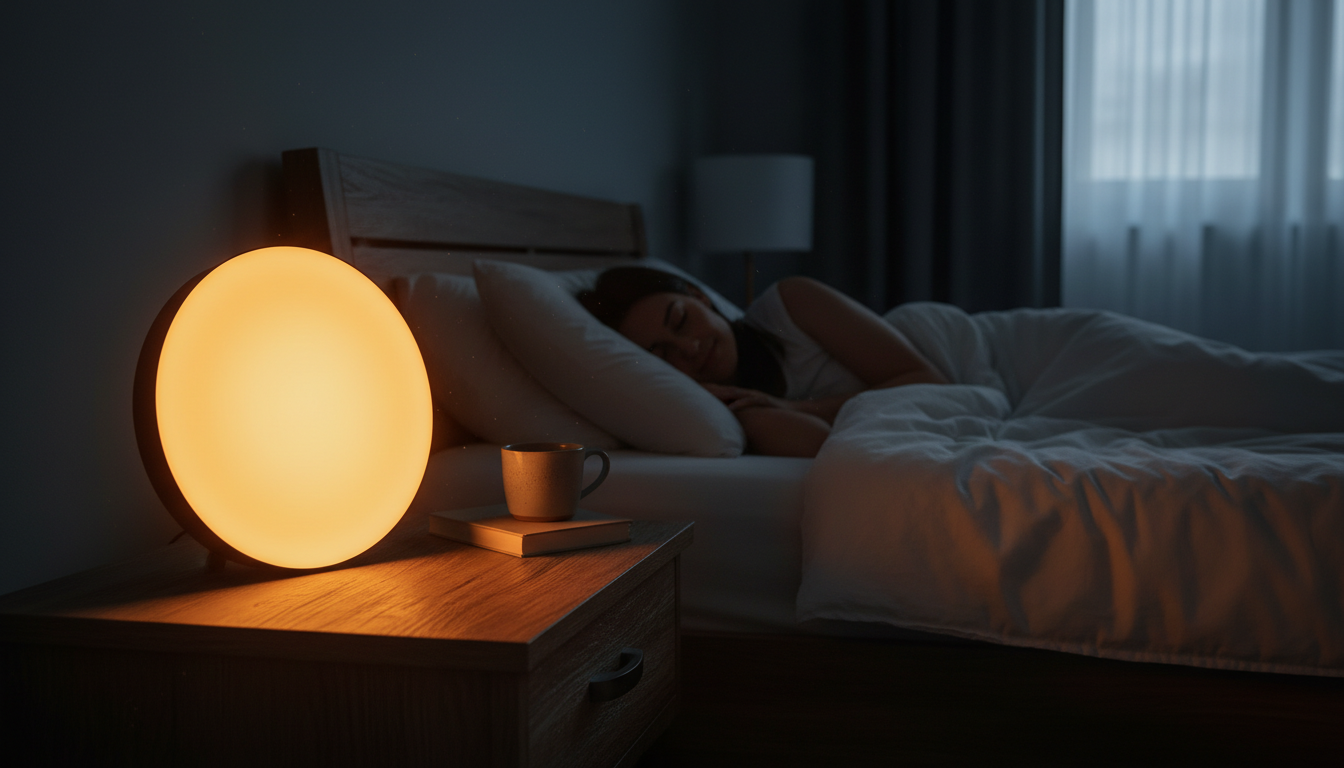
Brightness: 200 lux peak (dim, but adequate for well-lit bedrooms).
Sounds: 5 basic options (no premium library).
Setup: Physical buttons only. No app required. Straightforward.
Our verdict: Surprisingly good for the price. It works. If you have a naturally bright bedroom and modest expectations, this delivers basic sunrise alarm functionality.
Best for: Budget buyers, those skeptical about whether they’ll use it, casual users who don’t care about fancy features.
Downsides: Dim brightness, limited sounds, no advanced features.
Budget Pick #2: Generic LED Alarm Clock with “Sunrise Mode” ($20-30)
Reality check: These exist but are largely gimmicky. We tested three and found:
Brightness: 50-100 lux (barely noticeable even in dark rooms)
Sounds: 2-3 beeps or generic tones
Effectiveness: Minimal. Not truly sunrise alarm functionality.
Verdict: Skip these. If you want a cheap sunrise alarm, go with hOmeLabs at least. The difference between $30 and $20 is worth it for actual effectiveness.
Travel Options: The Best Portable Sunrise Alarms
Best travel option #1: Lumie Bodyclock ($100-130) Compact enough for luggage, batteries available for backup, solid performance. Most portable of the serious options.
Best travel option #2: Hatch Restore + phone ($150 + phone): If you’re already traveling with your phone, this is lightweight and effective. Download content in advance for offline use.
Best budget travel: hOmeLabs ($30-40) or myNoise app ($free) on your phone. Minimal luggage space, cheap enough that you won’t worry about damage.
Travel tip: Hotel blackout curtains make any sunrise alarm more challenging. If traveling, request a room without blackout curtains or use the alarm in brighter settings.
No-Phone Bedroom Setups: For Sleep Hygiene
Many sleep experts recommend keeping phones out of the bedroom. If that’s your goal, you need a sunrise alarm that doesn’t require a phone for operation:
Best no-phone option #1: Philips Wake-Up Light ($150-180) Physical controls, no app required, traditional alarm clock functionality. Excellent for phone-free bedrooms.
Best no-phone option #2: Lumie Bodyclock ($100-130) Physical buttons work for basic setup. Advanced scheduling needs app, but initial setup doesn’t.
Budget no-phone: hOmeLabs ($30-40) Completely phone-independent.
Note: Hatch Restore is primarily app-based, making it less ideal for phone-free bedrooms (though it can be configured on another device and still function).
Circadian Rhythm and Light Color
Most sunrise alarms start with warm colors (red/orange) and gradually shift to white as the brightness increases. This mimics natural sunrise. We tested if color matters:
Findings: Color matters less than brightness for waking up. However, warm light is slightly less harsh on eyes when you’re not fully awake yet. Most tested models got this right naturally.
Evening use: Some alarms can be used in reverse (dim gradually to sleep), which is nice for circadian rhythm support. Hatch Restore 2 and Philips Wake-Up Light both support this.
Indoor Light Links and Further Reading
If you’re interested in light and sleep, we have detailed guides on blue light and sleep timing and blue light blocking glasses for evening use to maintain good circadian rhythm in the afternoon and evening.
Effectiveness Expectations
Sunrise alarms work best for:
- Winter depression (seasonal affective disorder)
- Early morning risers who struggle with dark mornings
- Shift workers
- People with naturally dark bedrooms
- Anyone wanting a gentler wake-up
They work less well for:
- Very heavy sleepers (might sleep through gradual light increase)
- People with windows facing east (already getting natural sunrise)
- Severe insomnia or sleep disorders (not a replacement for medical treatment)
Bottom Line
If you have budget and want the best, Hatch Restore 2 is the premium choice. If you want to avoid phone dependency, Philips Wake-Up Light is excellent. If you’re testing the concept, hOmeLabs or the myNoise app offer good value. Give any sunrise alarm 5-7 days to see if it impacts your morning alertness—this is a solution that improves over time as your body adjusts to the light cue.